Requiem Leaves Resident Evil in the Midst of Another Identity Crisis - The Notice Board

There's not a single big-budget video game series that I've enjoyed over the last decade as much as Resident Evil. Capcom's flagship franchise has consistently found brilliant ways to reinvent itself, clearly marking different eras of Resident Evil – the original tank control games, the action era post RE4, and the return to horror roots with RE7. And having sat on my three playthroughs of Resident Evil Requiem, I feel quite strongly that it marks another era, but one that I'm not quite sure how to define just yet.
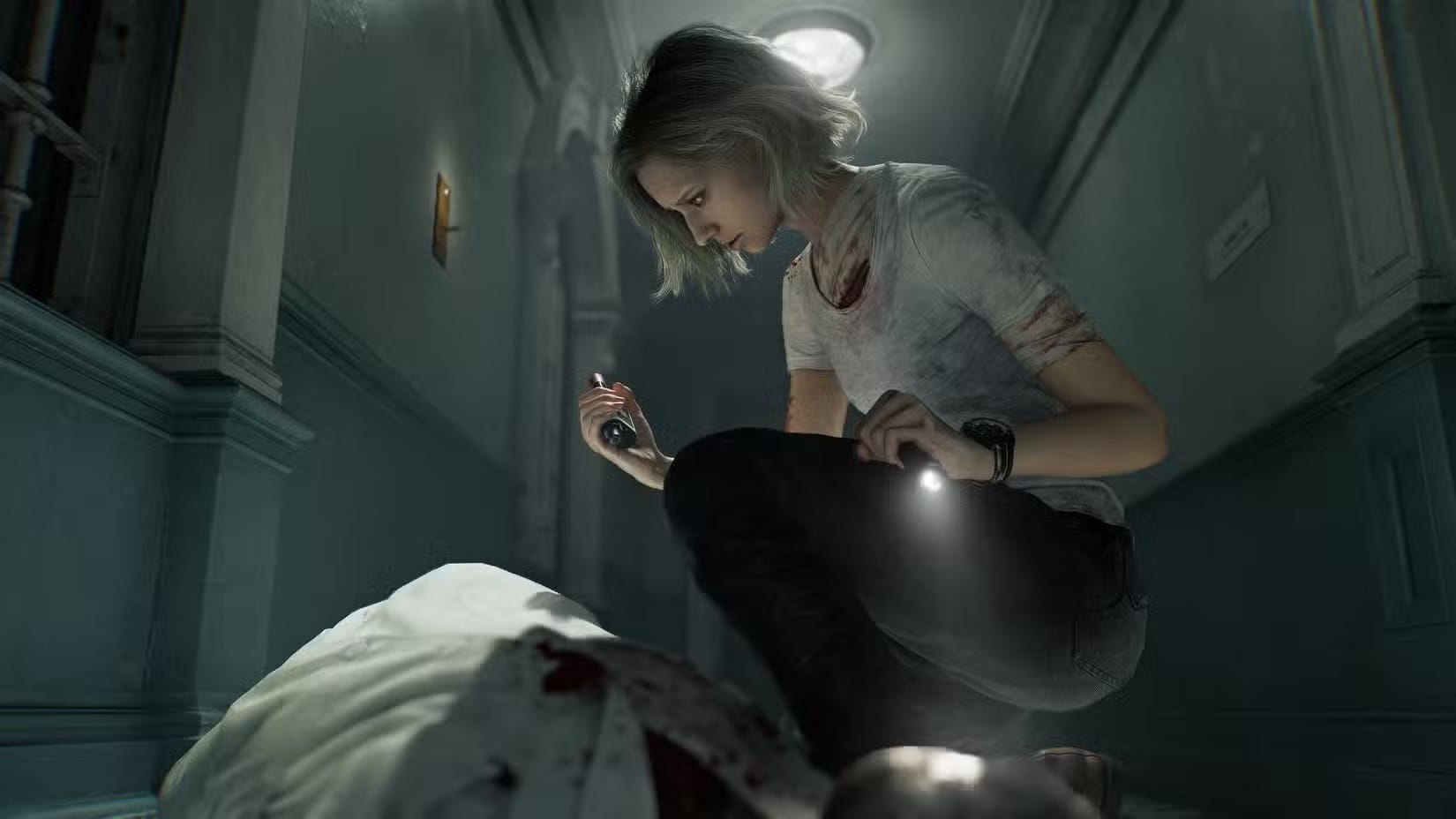
Requiem is a deliberate effort to unite the two disparate branches of Resident Evil, the focused first-person horror of the Winters games and the finely-tuned action of the remakes. And in that endeavor, I genuinely think Requiem wildly succeeds. This is some of the finest mechanical gameplay Resident Evil has ever had, from the creeping tension of Grace's puzzle box sections to the gleeful exuberance you get from roundhousing a zombie's head into a bloody pulp as Leon.
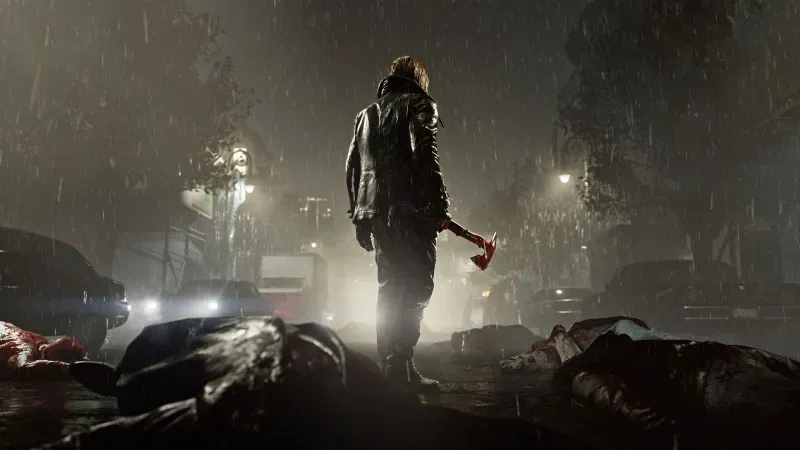
But there's also a specific message behind Requiem, an ideal of not just reflecting on the past, but being willing to leave it behind. As Leon grapples with his failures in the Racoon City incident, he is, in many ways, quite literally killing the past. Requiem recontextualizes so much about what happened in Racoon City and why, on top of major revelations for one of the series most pivotal characters, Umbrella founder Oswell Spencer. These revelations recontextualize a lot of the series' lore and story, likely for whatever direction Capcom wants to head in.
Yes, it's filled with the usual head-scratching mumbo jumbo Resident Evil is known for (complimentary), but there's a deliberate message baked into the meta of Requiem – a promise from Capcom that it's time to move on. And over the last month, I've found myself more and more puzzled by what "moving on" really looks like, and how Resident Evil has found itself in the midst of another identity crisis, this time seemingly intentional, however.
You can't do Requiem twice, I feel quite strongly about that. The mix of first and third-person and different styles works fantastically here, but it's the kind of thing that I truly don't think can be replicated – because Requiem is a product of the exact moment it came out. It's only because Capcom has been building these different threads in the series that Requiem worked; it's a payoff in the same vein as Avengers: Infinity War, where years of meticulous work culminated in a way that's wonderfully, meaningfully, surprising.
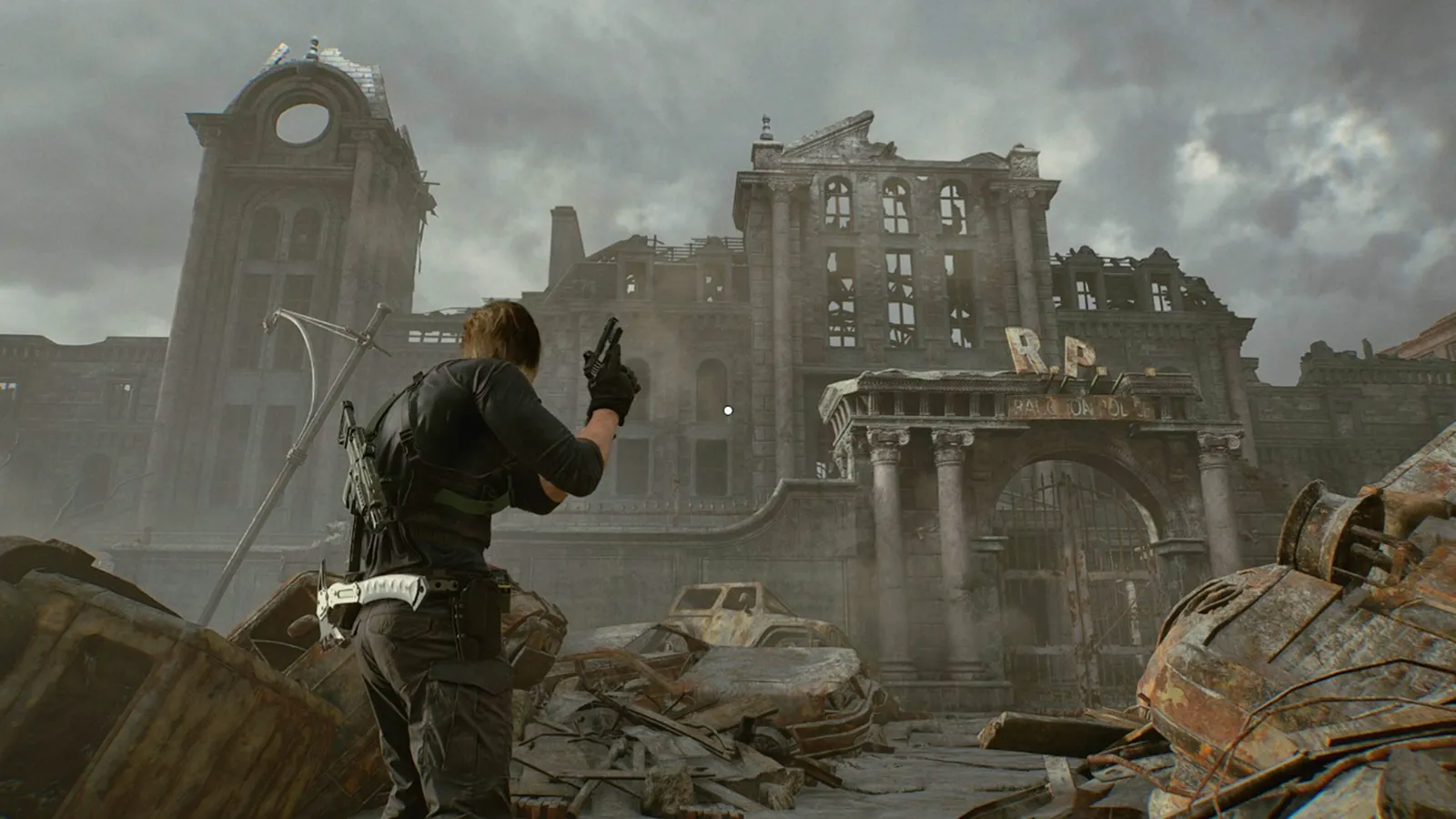
And surprise is Resident Evil's greatest strength. I remember being shocked at how the more visceral approach of RE7 worked, just like I was shocked all the way back on the GameCube for how RE4 felt like a revelation. But now all the cards are on the table, and Capcom needs to find some way to find that same sense of surprise, without retreading old ground.
That's exactly what makes me worried, as we see more rumors of remakes of Code Veronica, Resident Evil 0, and even (another) remake of the first Resident Evil. I'm not inherently opposed to those games happening, and have loved all of the series' remakes to date. But I think there's a danger that the series could lose its identity in the process. Requiem's promise to leave the past behind will ring hollow in the face of more by-the-numbers remakes.
What's particularly interesting here, too, is how often Resident Evil games take on wildly different interpretations later on. RE6's action fest feels totally different now in the face of Requiem, as does the gripping horror of RE7. Similarly, seeing RE2 and RE3 reimagined in third-person has shifted how we look at the concise design of the original PS1 games. I wonder if Requiem will have that same moment – if we'll look back on it in different years down the road, especially if a promise to move on isn't met.
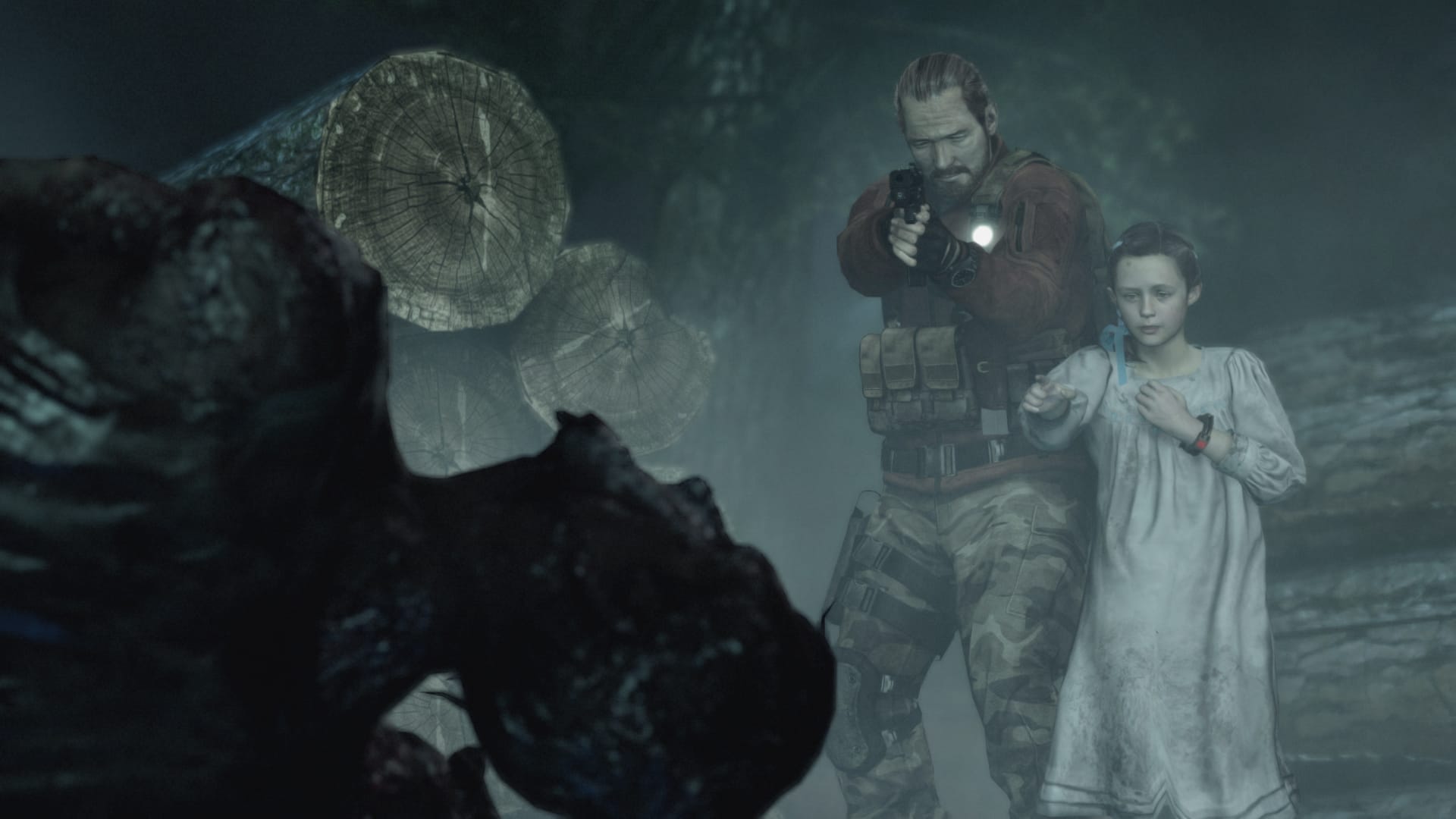
And amidst all that, I find myself thinking more about one of the series' weirder games, Resident Evil Revelations 2. Bizzare, experimental, and strangely uneven at times, Revelations 2 is a fascinating game. There's a disjointed episodic structure, wildly different playable characters, and some truly bat-shit narrative stuff on the idea of "consciousness transferral." I don't love Revelations 2, but I loved experiencing it. And I think it's clear to see now how that game influenced Requiem, from the gameplay format and ideas to even the narrative beats.
As much as I've loved the modern era of Resident Evil, something that's been lost in its remake endeavors is that experimental edge so often found in spinoffs. Revelations 2, Outbreak, and the Chronicles games aren't afraid of taking chances, even if they ultimately didn't pay off. That's something Resident Evil desperately needs at this juncture, a chance to experiment.
Capcom is one of the few major video game publishers that still takes chances on weird, divergent little games, like Exoprimal, Kunitsu-Gami, and Pragmata. If Resident Evil wants to continue going strong, it needs that spirit. And with the success of the series currently, I think there's more than enough room for a flashy, expensive remake, and smaller experiences. And by smaller, I also mean smaller in scope, budget, and resources. While I love my blockbuster games, I'd also love to see the other side of the spectrum. Resident Evil needs spinoffs – they're as integral to its identity as anything else.
Give me a modern take on tank controls starring Jill Valentine. Let me play as Rebecca Chambers in some super science-y game. Resident Evil has the benefit of having a well of utterly beloved characters that fans are ravenous to see again.
So while it's inevitable that we'll be getting more Resident Evil remakes, I hope there's an edge the series can regain. And as we wait for Resident Evil 10, I sincerely hope we get more than just reliving the past, again. That's what Requiem promised, after all.