An Evening At the Inn Issue #6 - Do Open World Games "Need" a Story?
Hello travellers, and welcome back to another issue of An Evening At the Inn. You may have noticed this newsletter is slipping in a little later than normal – and the truth is that the freelance life is just getting the better of me. I've had some trouble readjusting to the workload and schedule of being a freelancer, while also dealing with some life issues. With that, I've decided this newsletter will come out when it comes out. I'm not going to fully commit to the bi-weekly thing at this point, but I can guarantee there will be at least one issue a month (and I'll absolutely strive to make it two). But until I get a steady gig, it's simply too hard to meet that.
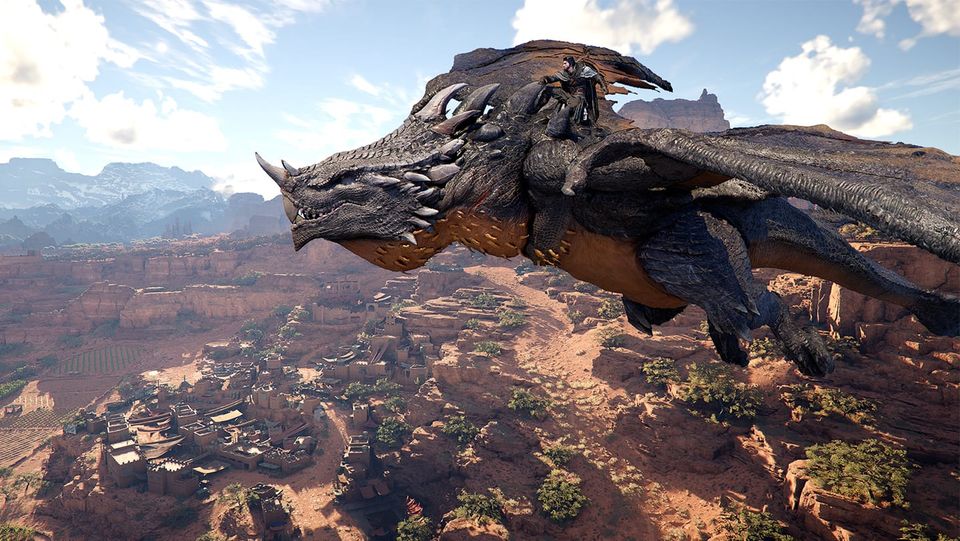
For this issue, we're taking a look at the RPG of the moment, Crimson Desert. And more specifically, some of the discussion around it. How does narrative design work in an open-world sandbox? If you want extra context going into this, read my review for Game Informer.
 Hayes Madsen
Please consider supporting An Evening at the Inn and my work as a freelance journalist via Ko-Fi. Your support means I can keep doing all this. Comments, feedback, tips? Reach out to madsenhayes@gmail.com
From the Innkeeper
To the Depths
It's a sandbox game; the story isn't important.
That's the single most used defense I've seen of Crimson Desert over the last couple of weeks, in regards to reviews, like my own, that criticize a lack of narrative depth in the game. I wasn't planning to fully dive into this topic, but I've seen so much discussion that I just couldn't help myself. So the question is, do open-world RPGs and sandboxes need a good story? Do they need a story at all?
As you might have guessed, I'm being facetious. The answer is, yes, narrative design is absolutely integral to the open world experience. And pretending like story isn't an important part of a sandbox game is also woefully misinformed.
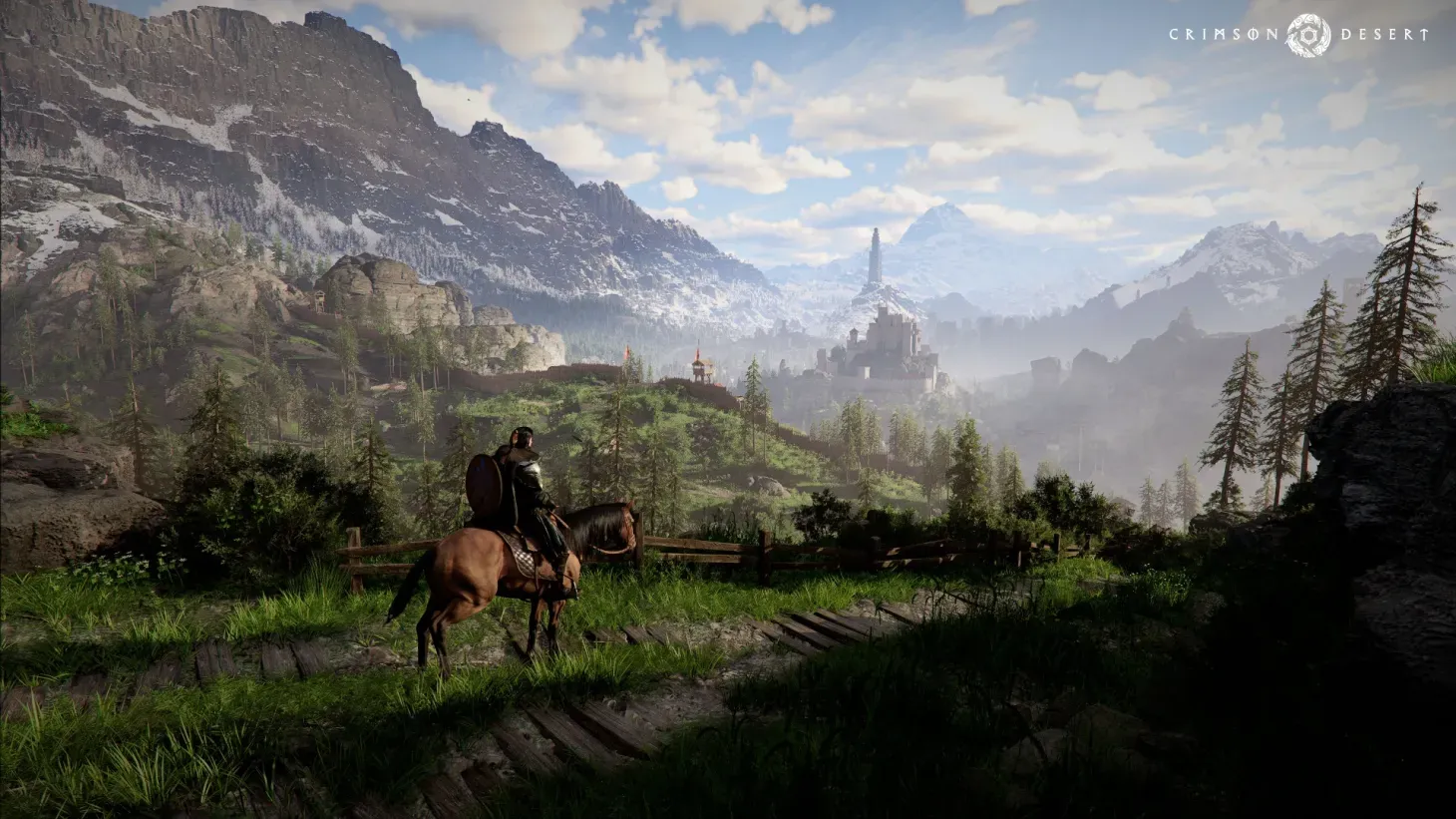
The notion I've consistently seen in the wake of Crimson Desert is "Breath of the Wild and Elden Ring also don't have good stories, and they don't get flak for that." So let's break it down. What is the narrative design of those two games? And why do they work where Crimson Desert doesn't?
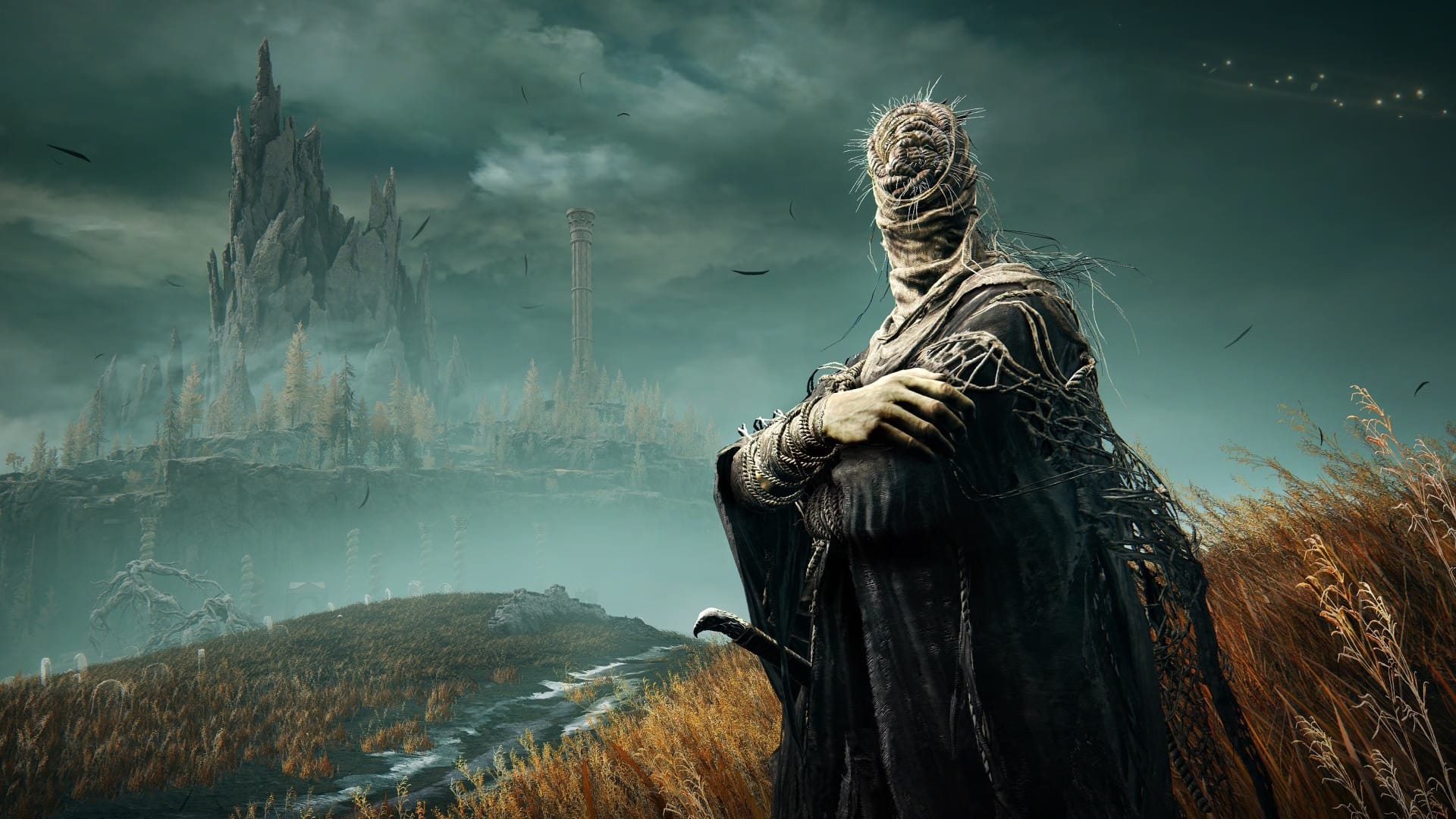
Take Elden Ring first, a game that decidedly has some of the richest lore and subtle story building ever seen in a video game. But I suppose the best way to describe Elden Ring is not as a "story-focused" game but a "narrative-focused" one. And that's a distinction we need to define.
Typically, in media, you'd define the story as the sequence of events that plays out before your eyes. In games, this would include cutscenes, story quests, NPC dialogue, etc. Narrative, on the other hand, is more about the structure of what's being told, the how of it all – and how we internalize what's being told. I should note that there are absolutely differing definitions of these two aspects, but for our purposes here, we'll be running with that definition.
Elden Ring is a game about internalization, how you digest the tidbits of story that are being strung along for you. It's all intentionally cryptic and vague, wanting the player to fill in the gaps with their imagination. That's why you don't look at Elden Ring as having a "story" in the same way you would something like The Witcher or Final Fantasy. The context to understand the world, and narrative, is doled out through item descriptions, exploration, optional NPCs, and the visual design of the world itself.
But that narrative design is integral to the experience of Elden Ring – it simply would not be the same game without it. That breadcrumbing of lore and narrative is what instills the Souls gams with their personality, and how the world is constructed. That's exactly why videos like VaatiVidya's "Elden Ring Lore Explained" have a whopping 12 million views. There are dozens upon dozens of explainer and theory-crafting videos on YouTube. That certainly doesn't give off the impression of a game lacking in "story." So why do people think that?
I truly believe this stems from video games chasing the prestige of film for so many years, with companies like Sony and Microsoft putting so much emphasis on making games "cinematic" in the post PS2-era. In striving to gain the respect of film, mainstream AAA games diluted narrative experimentation into a film-esque format – one where you're watching hours of cutscenes and seeing the story laid out directly to you. Recent years have, of course, become more experimental again with games like Dark Souls, The Stanley Parable, and even Vampire Survivors. But there's an entire generation that grew up with those cinematic games. Something like Elden Ring isn't "cinematic," but is surely more narratively dense than most other open-world games.
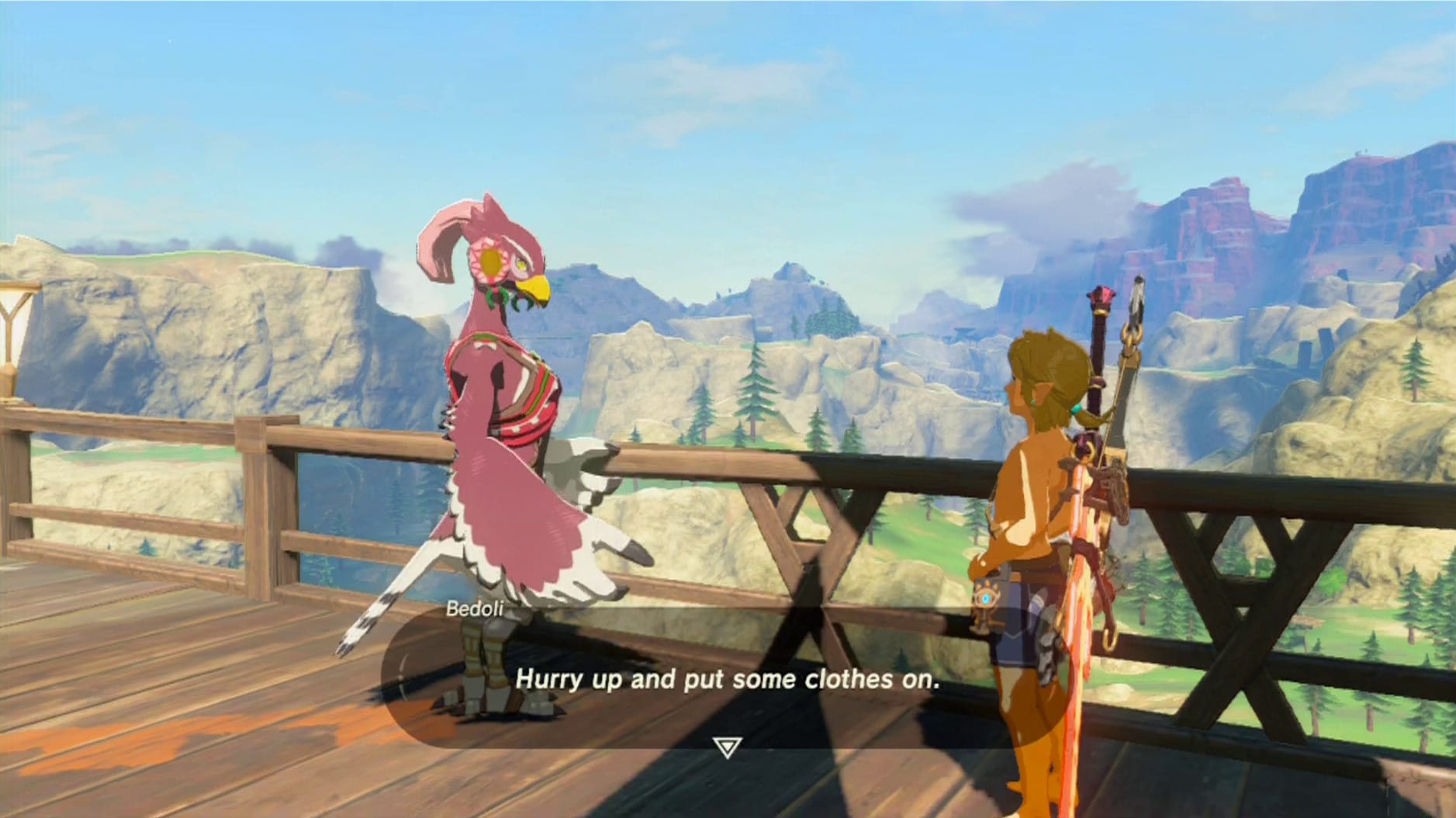
And that brings us to Breath of the Wild, which takes a bit of a different approach – creating a bond between teh silent protagonist Link and the player themselves. Breath of the Wild does feature that standard cutscene storytelling, at times, in order to get main points across, but largely relies on optional dialogue and environmental design to weave its narrative. It's a fascinating blend that largely works because that "main story" doesn't get in the way of the wonder of exploration; it never intrudes on that core experience.
But Breath of the Wild's Link is perhaps the best use of a silent protagonist I've ever seen in a video game. Using the archetype of the amnesiac hero, this Link might seem like another personality-less shell, but that couldn't be farther from the truth. Here, Nintendo brilliantly uses NPC dialogue to flesh out Link's personality.
While the player is exploring Hyrule for the first time, Link isn't – and NPCs have history with him. Through dialogue, you learn about little personality quirks Link has, like his insistence on never listening to people's warnings. Bit by bit, there's an inflection that gives you an idea of who Link is and how he fits into this world. The player may not even realize it while it's happening, but you're mentally building up an image of Link despite him never uttering a word. And that storytelling is essential to the experience of Breath of the Wild, grounding Link's quest and what he's fighting to save. The more you explore the world, the greater sense you get for how all its pieces fit together, with Link as the center cog powering it all.
The narrative elements of Breath of the Wild and Elden Ring are baked into the world itself – they're inseparable and vitally important, even if it's not abundantly clear what story is happening at all times. So that brings us to Crimson Desert, and why I think it misses the mark where those prior two games don't.
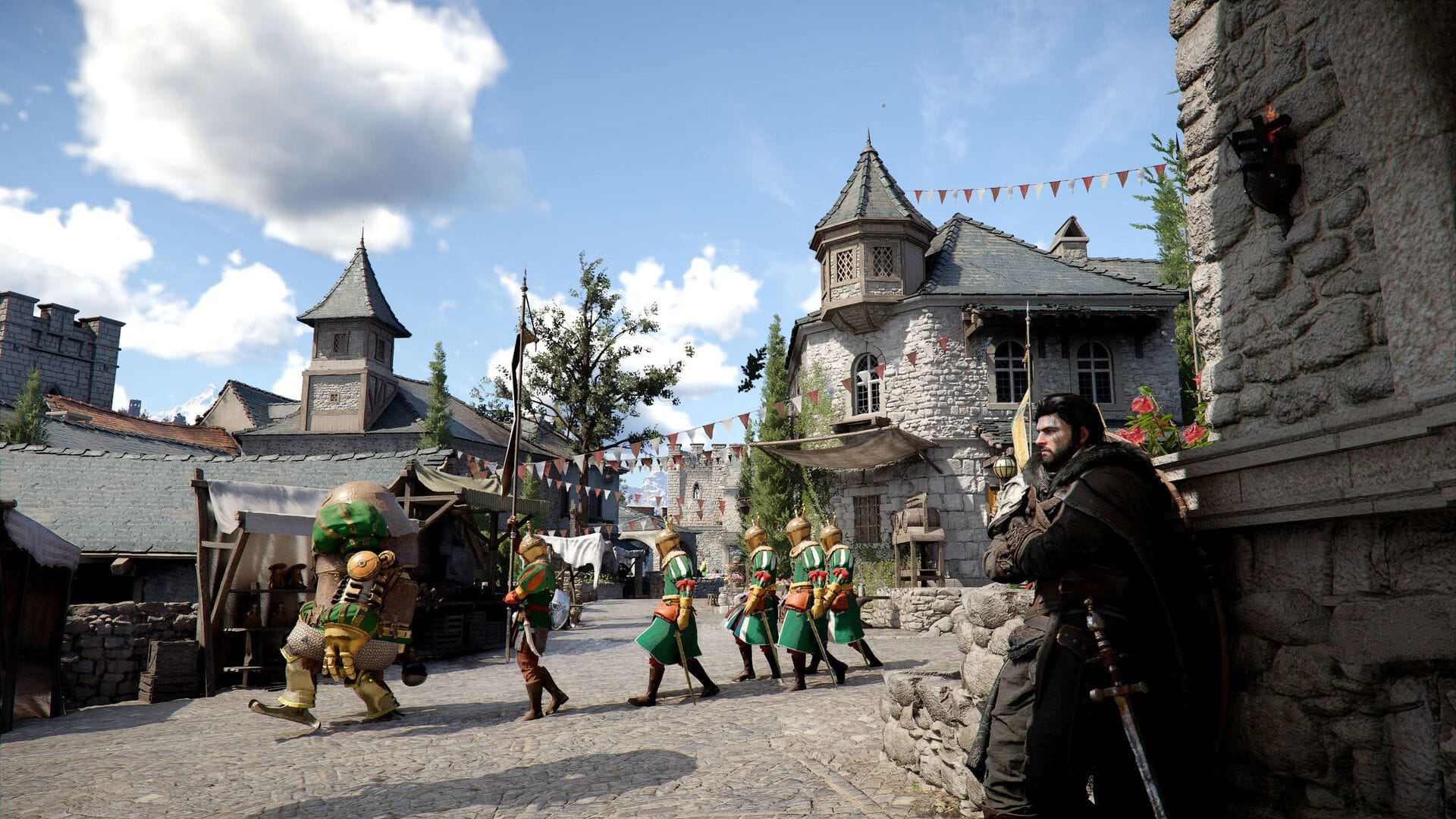
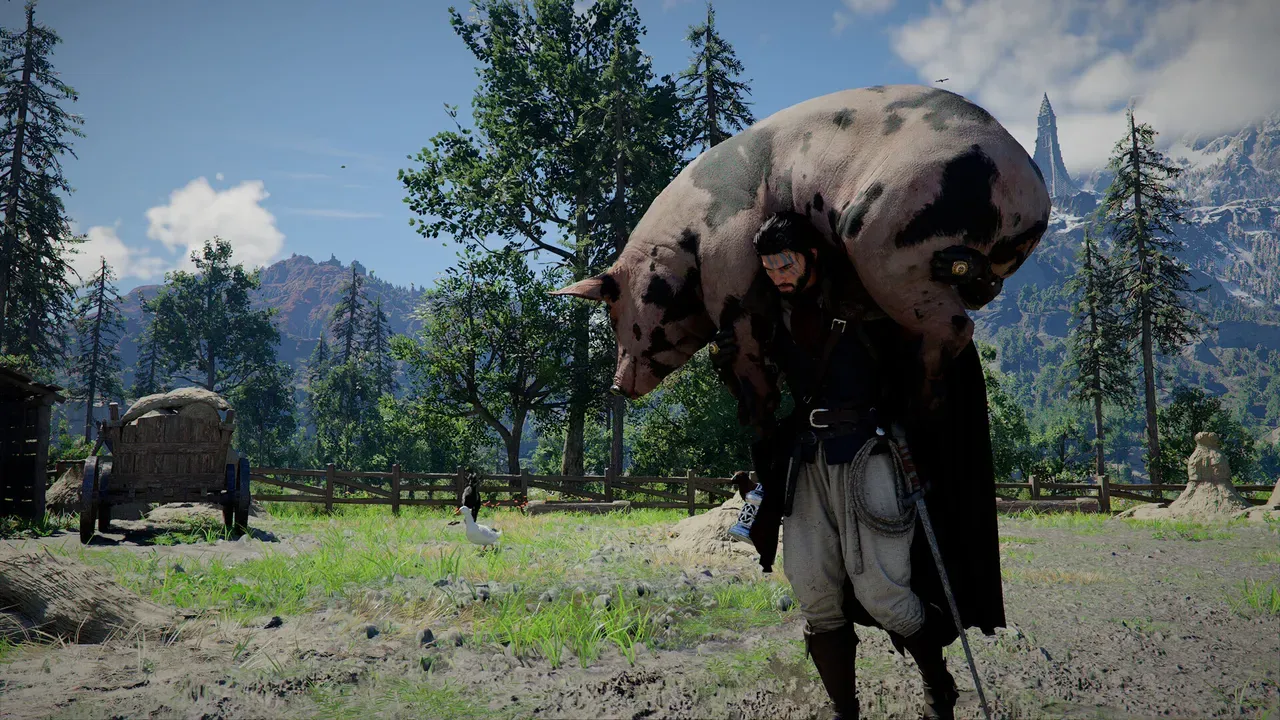
Crimson Desert does a fantastic job of "charting" the player's journey, giving you a sense that you've really been on an adventure. Like Red Dead Redemption 2, it brilliantly weaves those emergent little moments where a bear might attack you while you're logging, or you stumble upon an ancient dragon ruin. Yes, those are forms of storytelling in and of themselves, but the real problem is that Crimson Desert doesn't want those moments to define its narrative. Instead, it wants you to have those moments of wonder but also get invested in the story it's telling.
There's been plenty of talk of how unintersing and poorly paced the main story of Crimson Desert is, and while I think that's largely true, the bigger concern for me is that it doesn't have those grounding moments of Elden Ring and Breath of the Wild. We don't know Kliff's past, like Link, but crucially don't get that much-needed context. NPCs can't bounce off of Kliff in the same way because he is a voiced character – he just doesn't have anything interesting to say. There's also a lot of "content" in Crimson Desert, but there's no sense of it clicking together in the same way as Elden Ring. You don't see the history of this world; you mostly see its present. And that main story is filled to the brim with cutscenes, but without that backdrop, there's no reason to care.
And I think the problem at the heart of Crimson Desert's storytelling is that it tries to do both – it tries to be emergent and guided. If you want to make an open sandbox completely devoid of story, that's completely fine – there's nothing wrong with that approach. But you can't design your world that way, and simultaneously try to weave this deeply involved story.
I don't want to be too hard on Crimson Desert because I genuinely do think it's a good game, with a lot going for it on the gameplay front. But I simultaneously think that the game could have been even better if it had a more intentional approach to its story and narrative (and how those two intersect). As it stands, those elements of the game feel consfused on what they want to be. And I believe it also proves how integral narrative design really is to the open world experience.
I might enjoy traipsing around your world and wreaking havoc, but if I'm really going to remember it, there needs to be moments and characters that stick. I may not remember any of the events of Crimson Desert, but I remember the tragic tale of the Dung Eater in Elden Ring. I remember the furious flower lady who nearly beat me to death for trampling her garden, something I'd done countless times before. Those bits and bobs of story are what elevate open-world games from great to masterful.
Around the Realm
Derek L.H. reflects on the absurd ambition of the Xenosaga trilogy
 Derek L.H.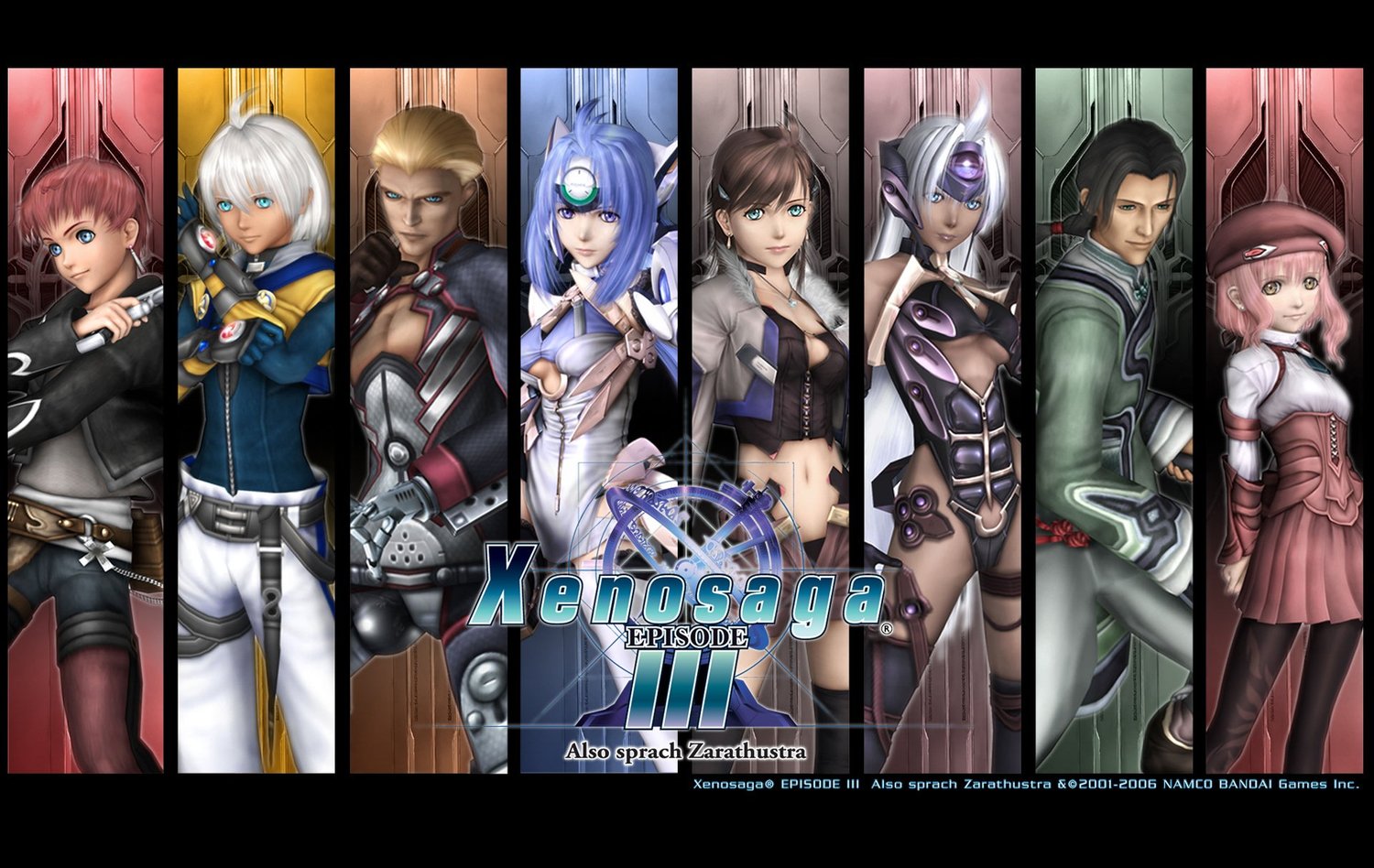
Willa Rowe writes about the age-old tradition of fishing in games, and the brilliant-looking Sinker Sound
 Willa Rowe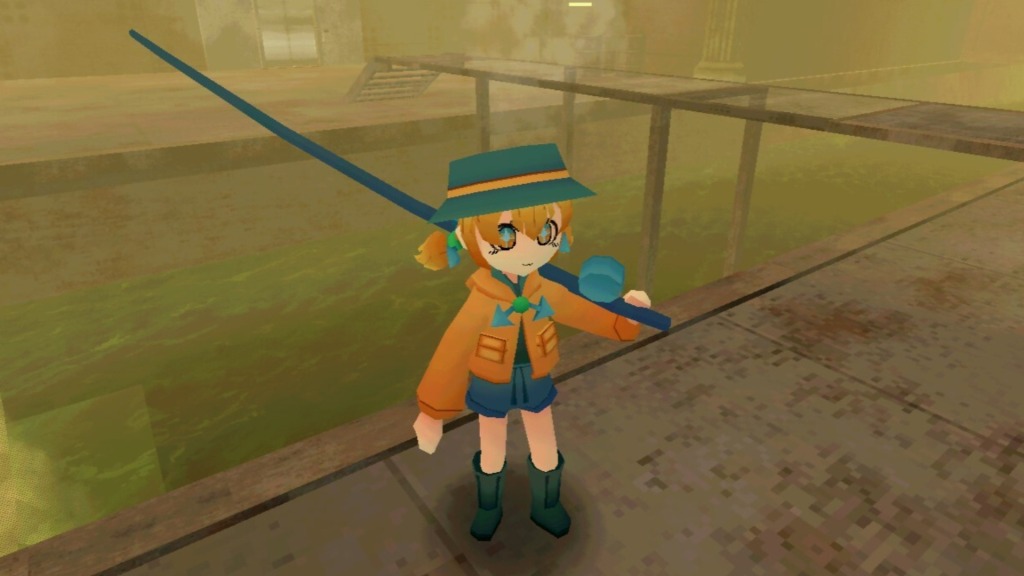
Robin Valentine looks at Star Wars Zero Company's approach to permadeath (PC Gamer has a whole set of exclusive previews for the game that are worth reading)
 Robin Valentine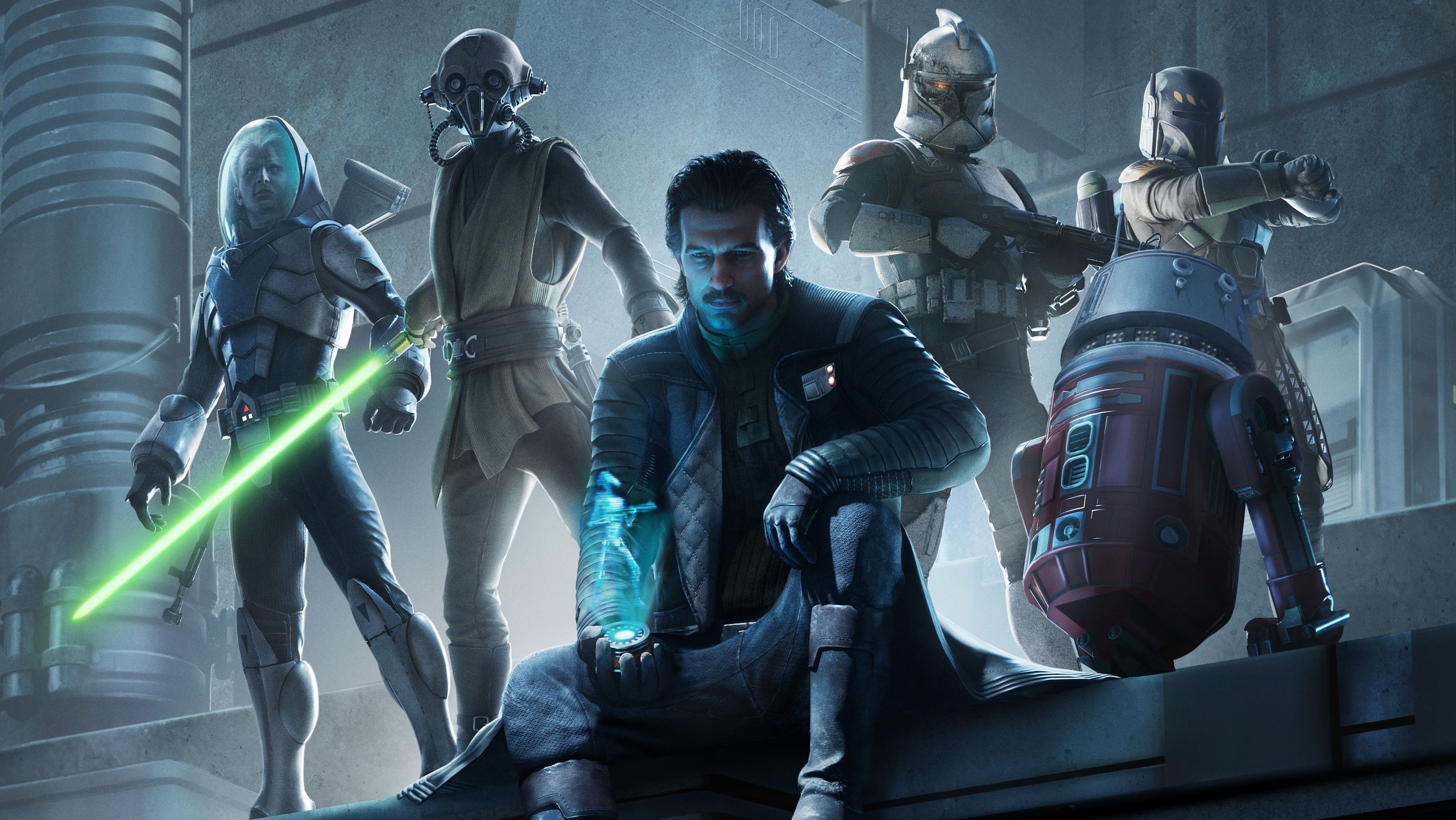
Khee Hoon Chan has a fascinating interview with the crucial "photo mode consultant" who's had a hand in many of your favorite games
 Khee Hoon Chan
(A little loose with the "RPG" format for me), but Beatrix Kondo has a fantastic four-part series on Mothership about why Silent Hill was always feminist
 Beatrix Kondo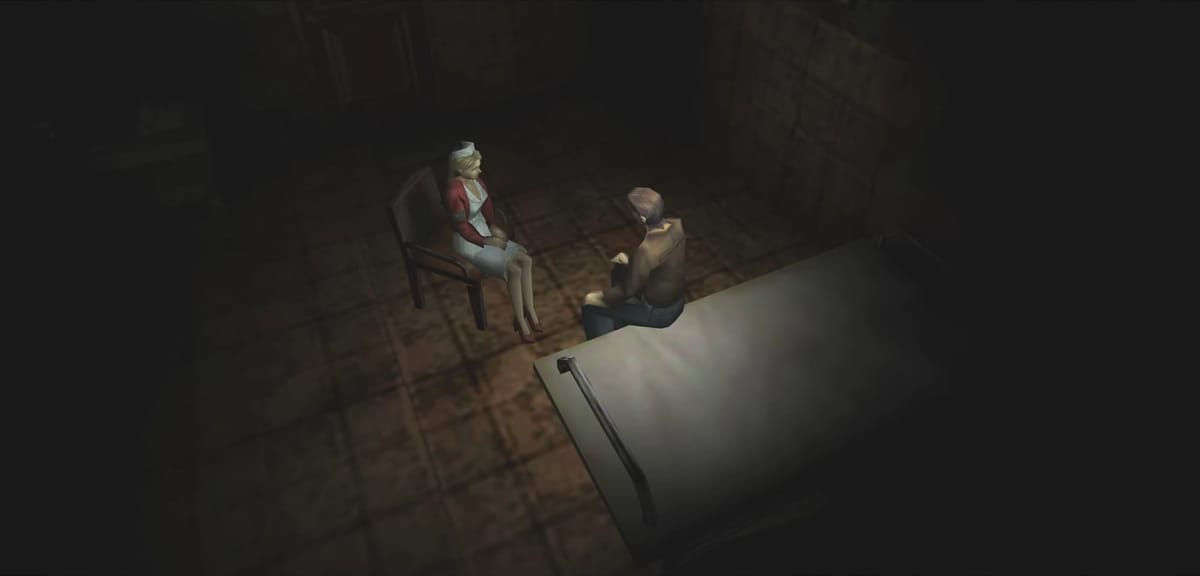
Adame Vitale interviews the writing team at ZA/UM about making a follow-up to Disco Elysium, and the tough questions that now go along with that
 Adam Vitale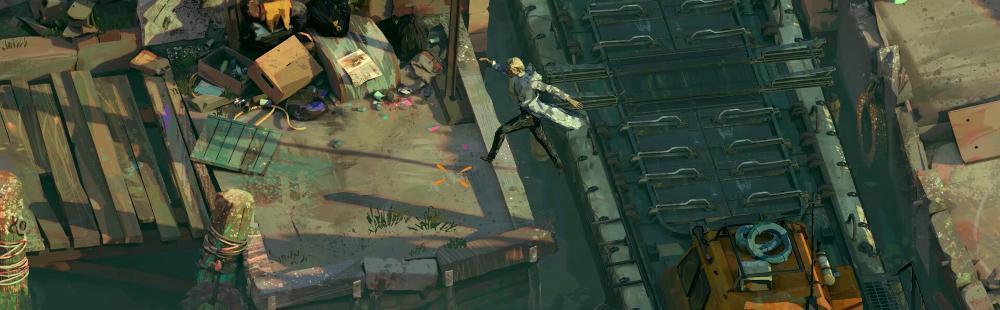
The Back Page
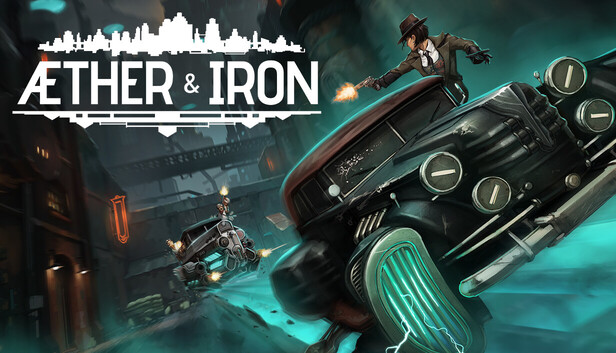
My strong recommendation for this week is a little game called Aether & Iron, a stunningly gorgeous Decopunk RPG set in an alternate 1930s New York. I wrote some impressions for The Indie Informer on it, but I've found myself playing Aether & Iron far longer than I had to. It has phenomenal writing, strong characterization, and a real understanding of what the "punk" part of all those genres means. You can read my full thoughts, but it's also on sale for launch.
 Hayes Madsen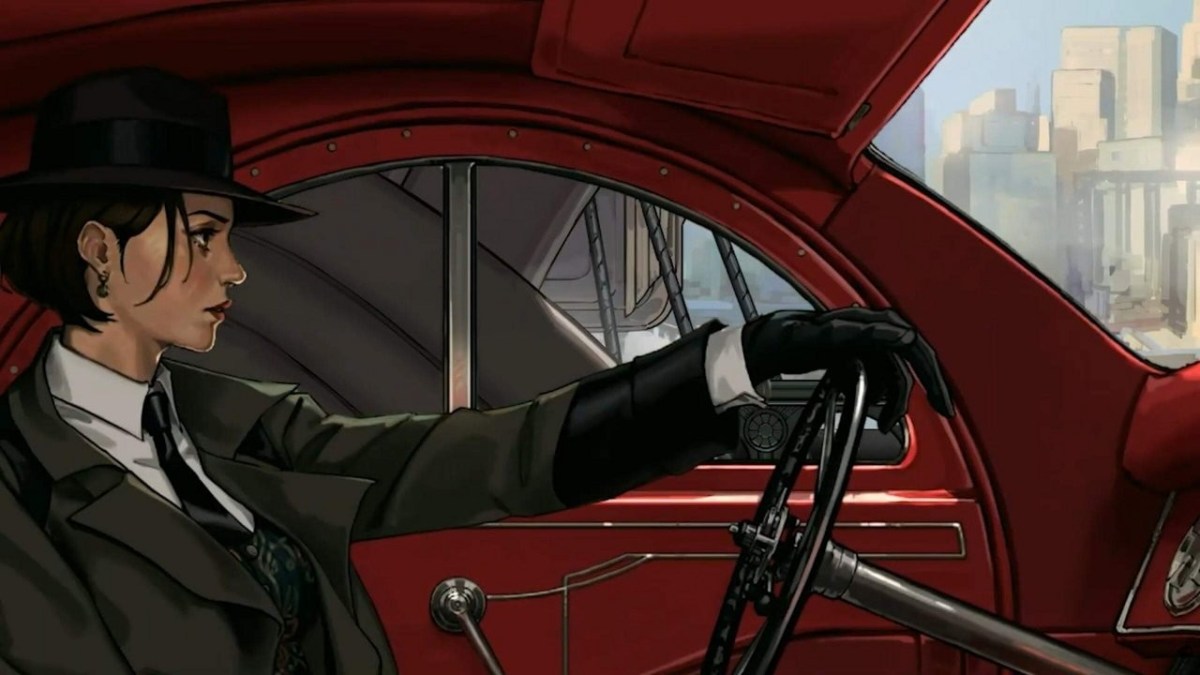

Now here's the RPG release list for April.
- Sigma Star Saga DX - April 7
- People of Note - April 7
- Starfield [PS5] - April 7
- Dosa Divas - April 14
- Hades II [PS5/XS] - April 14
- Regions of Ruin: Runegate - April 14
- Calamity Angels: Special Delivery - April 15
- Mongil: Star Dive - April 15
- Valorborn - April 15 (Entering Early Access)
- Vampire Crawlers - April 21
- Kingdom's Return: Time-Eating Fruit and the Ancient Monster - April 23
- Dragon is Dead - April 23
- Diablo IV: Lord of Hatred - April 28
- Ys Memoire: Revelations in Celceta - April 28
- Vultures - Scavengers of Death - April 28
- Neverness to Everness - April 29
- Ariana and the Elder Codex - April 29
And, of course, you know I wouldn't leave you without a pet update. Nothing major happened these last few weeks, but Screech did get a dental cleaning and got very high for a day. So enjoy that. He's been getting extra treats since Oreo passed, and is pretty content about it.