An Evening at the Inn Special Issue - The RPGs of Steam Next Fest
Hello, travelers. A bit of an unexpected stop off for this week, but we all need a side quest or two.
Considering I don't have anywhere to write this kind of thing currently, I've been playing a few Steam Next Fest demos and really wanted to highlight some of the exceptional RPGs I've seen. I specifically tried to have a wide breadth of games here, and focus on a few smaller ones that I think people may have missed. And maybe you have something new to wishlist.
Of course, don't consider this a comprehensive look at the hundreds of demos during Next Fest, but rather a curated consideration of things that caught my eye. I won't have the whole shebang this week since it's not a "full" newsletter, but below the Next Fest games, you can still find the aggregation section (there's been some really good writing the last couple of weeks).
Enjoy this bit of a distraction, and next issue we'll be talking Soulslikes.
From the Innkeeper
Steam Power
Vultures - Scavengers of Death
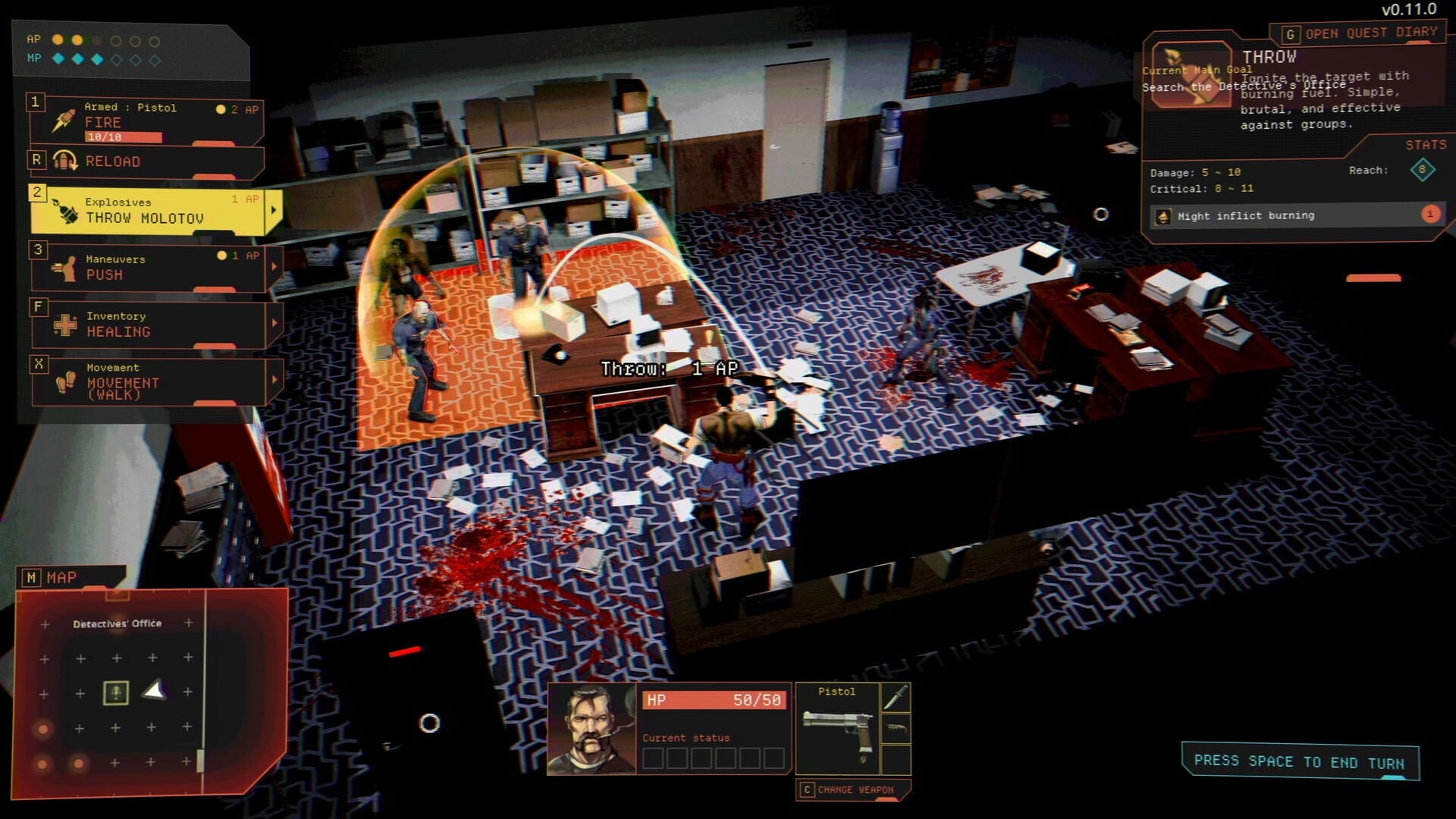
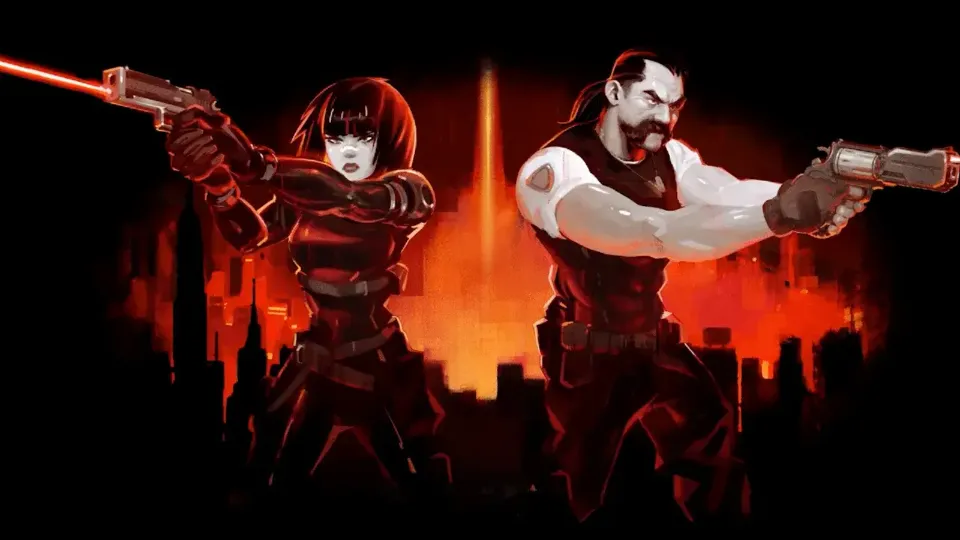
Easily my favorite game from Next Fest, Vultures is basically if you took Resident Evil 2 and made it a tactical turn-based RPG. I've wondered what that might look like for years, and the answer is pretty damn good.
What's really fascinating here is how Vultures translates each and every element of survival horror into that tactical formula. You have to carefully manage your AP as you move around and explore, making sure you don't get caught off guard by zombies. Ammo is incredibly scarce, but you can target specific body parts to make better use of it – like shooting a zombie's leg to stop its movement for a turn, pushing a zombie away with an action point, giving yourself breathing room but one less shot on that turn.
But Vultures also has all the methodical worldbuilding that Resident Evil is so good at, all the environmental storytelling, notes, and interconnected areas. The police department of the demo feels very reminiscent of RPD, and it's a joy to feel the tension rising as your resources get lower and lower.
I'm genuinely blown away by how much Vultures has translated that core survival horror experience into a wildly different genre, while still embracing that shlocky style. It's a tantalizing idea I absolutely can't wait to see more of.

Hoop Dungeon
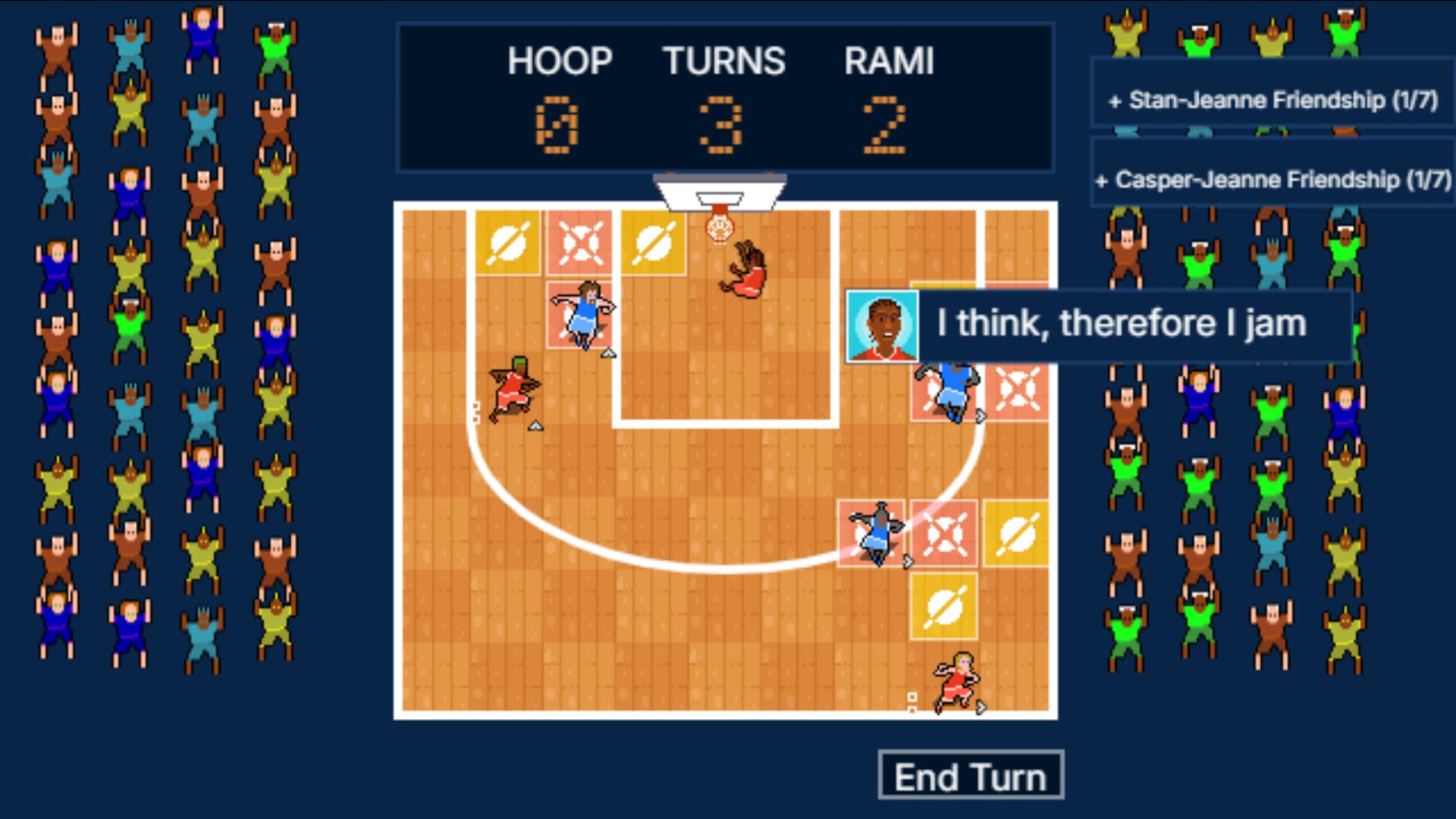
Hoop Dungeon is a very cool little roguelike basketball tactics game that has some great ideas, but needs a little bit of work (more tutorilization especially). But I do think it's extremely interesting how the game of basketball has been implemented into these kinds of Into the Breach mini levels.
You alternate turns between your team and the opponent, able to take actions like moving, passing, muscling a defender into a new spot, and dunking if you're close enough. Each level has a number of requirements you need to meet in order to move on, thus forcing you to wrap your head around the different ways each one can be solved. Then there's the roguelike element, where you get new skills you can assign to each character, things like increasing pass distance, or specific skills like pump fake.
It's a pretty ingenious way to translate basketball, and with a little extra elbow grease could turn into quite the little gem.


Wanderburg
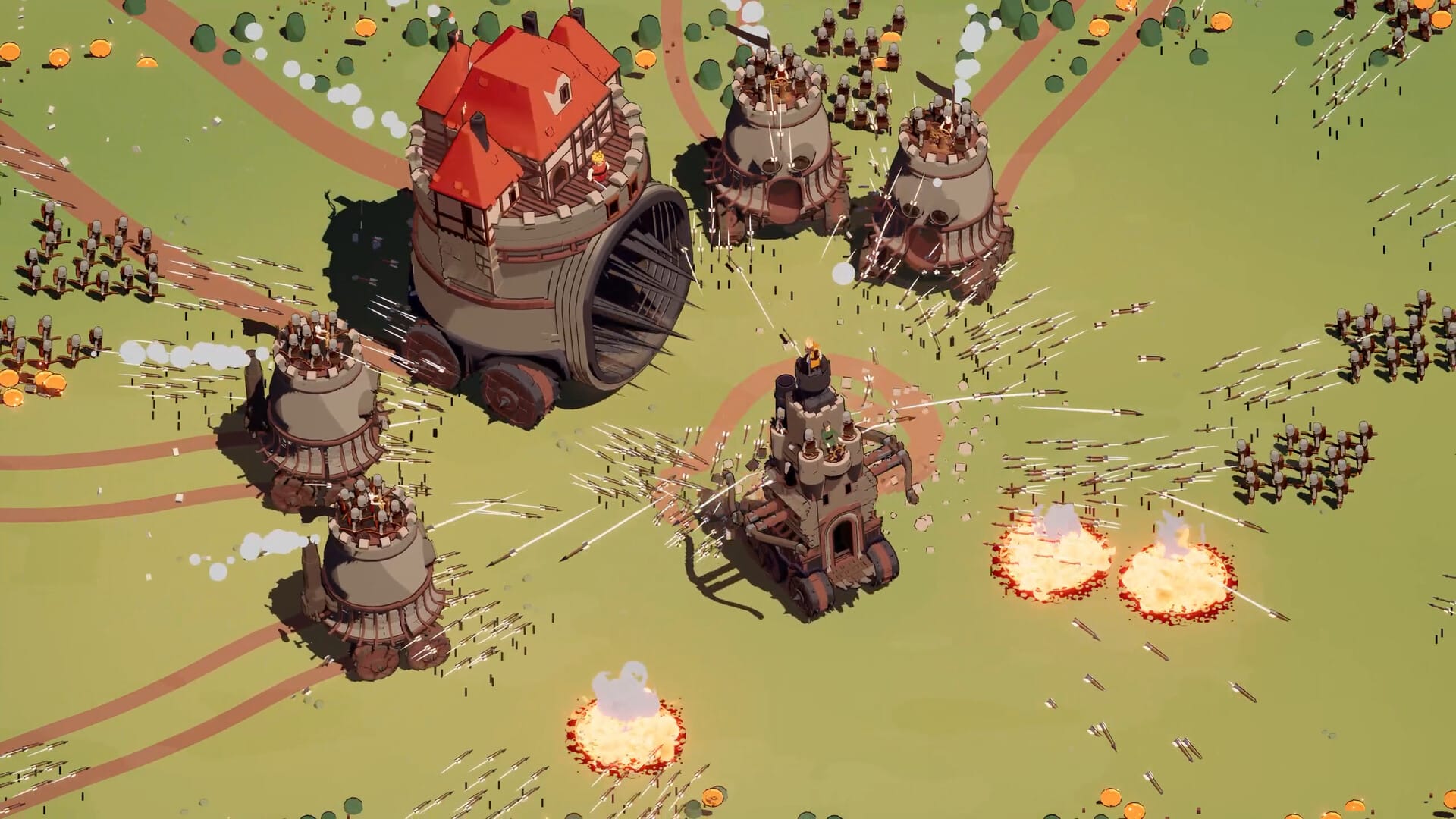
While Wanderburg wasn't my "favorite" demo of Next Fest, it's easily the one I played the most – because it has that same infectious loop as Vampire Survivors. In fact, it's pretty much like if you took Vampire Survivors, smashed that together with Katamari Damacy, and sprinkled a bit of tower defense on top for good measure.
Each run begins with you constructing your own freakish Howl's Moving Castle, that you can outfit with archers, cannons, mortars, rams, teleporters, and more. The system is what you'd expect: you collect gold to level up, each level lets you choose one of three power-ups, and there's a host of special chests to find across the map that unlock powerful run-altering relics.
But what's really cool about Wanderburg is the little details of how it differentiates itself from most of these games. Little soldiers will attack your tower, and you can suck them up for gold if they're in range of your door – like some kind of endlessly hungry beast. You can also unlock weapons that let you spawn your own little soldiers to battle the enemy, mines to lay as traps – a lot of those typical tower defense weapons. And as you defeat bosses, your tower increases in size, letting you instantly suck up small enemies and towers that were your size before, but now look like ants.
But all these disparate elements are masterfully woven together into one overall system, and it absolutely sings. The Next Fest demo only has one area to play through, but I sunk a good 5-6 hours into that alone. I'm almost afraid of what the full game might hold.

Alabaster Dawn
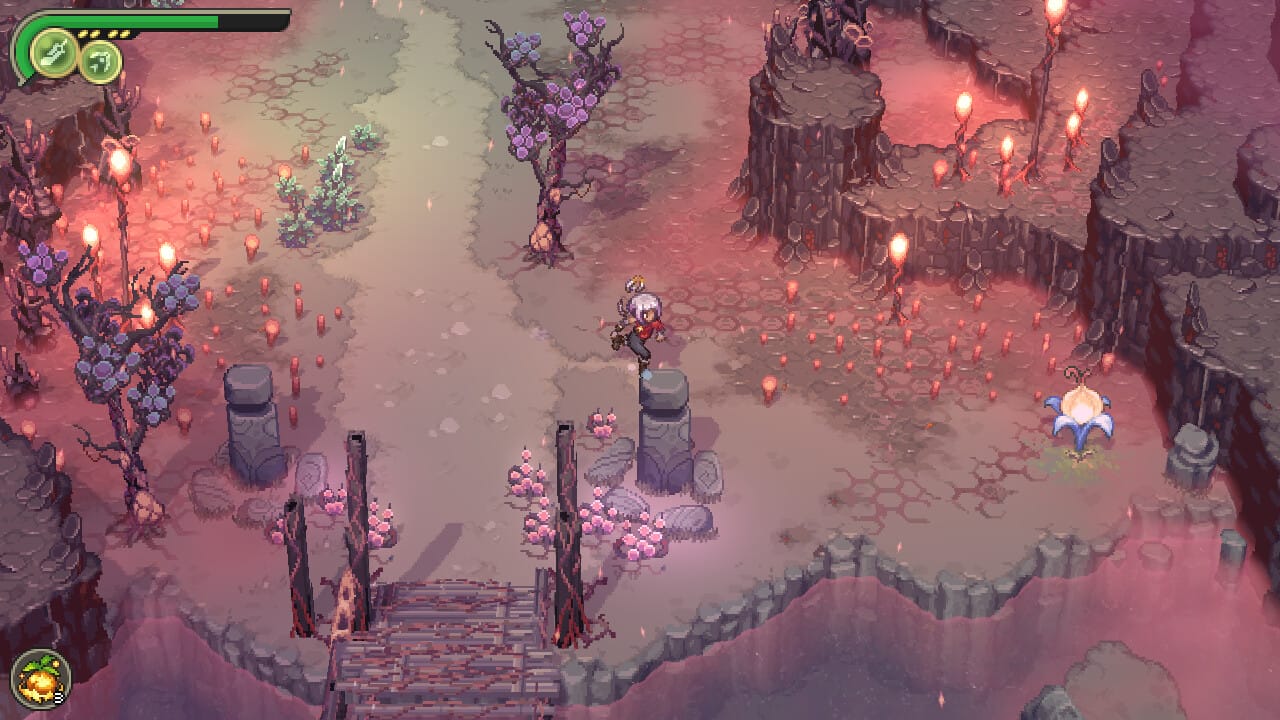
Alabaster Dawn is quite literally Fallout meets Secret of Mana, and it's cool as hell. The game quite literally starts with the apocalypse, some cataclysmic event that forced the inhabitants of this fantasy world to build and inhabit underground vaults.
A girl named Juno wakes up sometime later to find that the gods have abandoned the world, which now looks like a wasteland. The story setup alone is fascinating, giving a sci-fi edge to a bright Mana-esque world, but the combat also feels rock solid (not entirely surprising considering this is the same studio that made CrossCode).
Combat is very reminiscent of Mana mixed with something like Devil May Cry or Final Fantasy XVI; it's fully action-based but has a stagger bar, sweaty dodges, ranged attacks, and all that jazz. Along with a sphere grid-esque levelling system. I know that's a lot of comparisons, but Alabaster Dawn is clearly bringing its own unique spin on things, and after just a couple hours, I'm excited by the amount of depth that's there. This is one of those demos that makes such a strong impression that I don't need to see any more. Honestly, I'd buy this game tomorrow if it came out.

Kloa - Child of the Forest
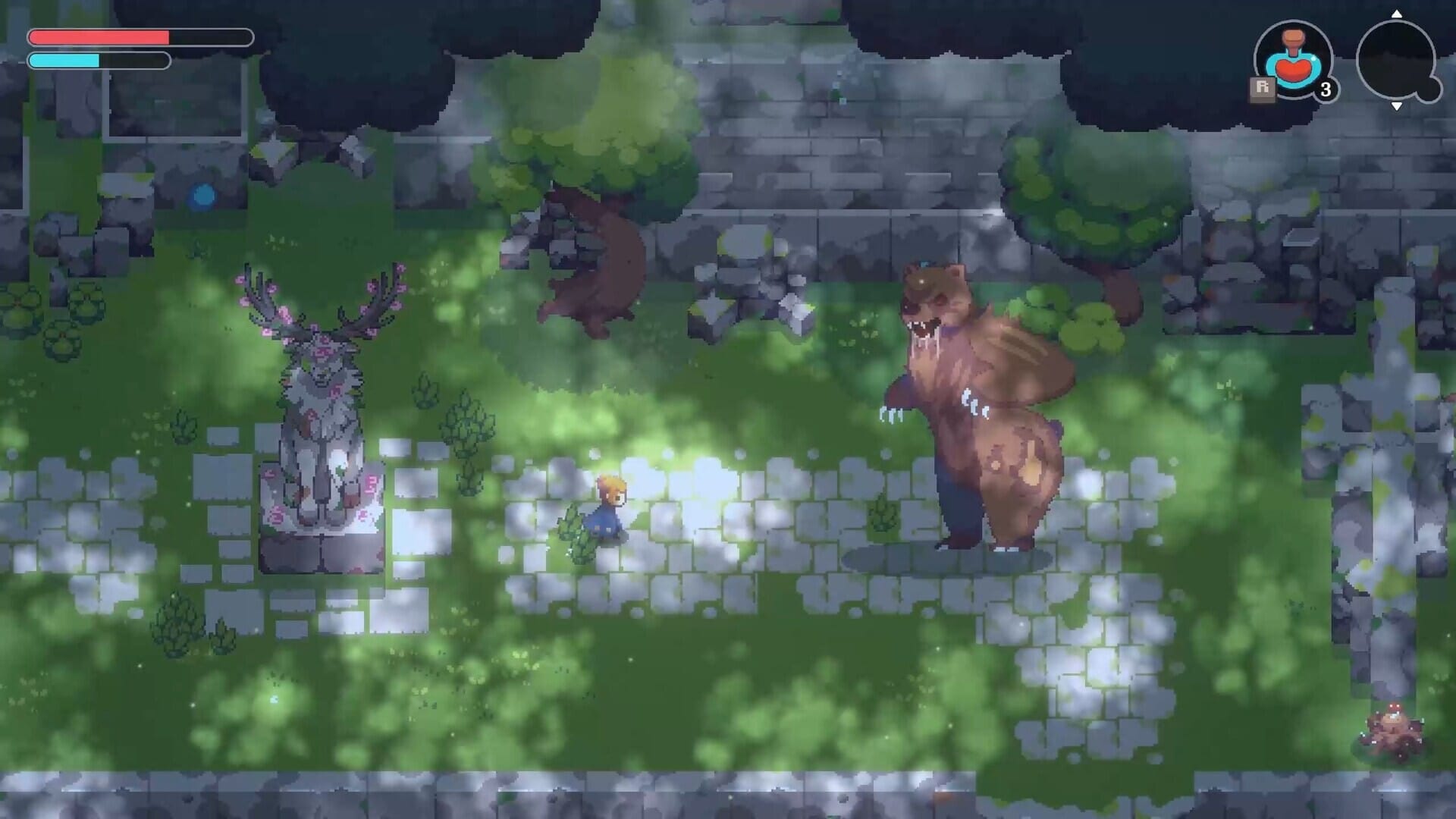
Kloa - Child of the Forest brings some much-needed color to the Souslike, with a beautiful pastiche style that looks jaw-droppingly gorgeous in motion. With elements of Zelda and Princess Mononoke, Kloa has some interesting ideas at play, but I'd love to see more.
This is a Soulslike through and through, with bonfire-like checkpoints, a currency you an recollet if you die, and methodical combat. But there are also Zelda-like puzzle elements woven in as well, and a story about fighting for the conservation of a magical forest where animals, including some of your friends, have been infected by a curse.
The art style is what really makes this one pop, loosely inspired by some of the visual iconography of Buddhism. But everything is decidedly colorful and alive, teeming with life, even when it's been corrupted. It's refreshing to see a game that takes that Soulslike formula, but applies it to a thematic story and world all about life and ecosystems.
I'm not completely sold on Kloa having the depth I'd like for combat, but it's another one that makes a strong first impression.

Town of Zoz
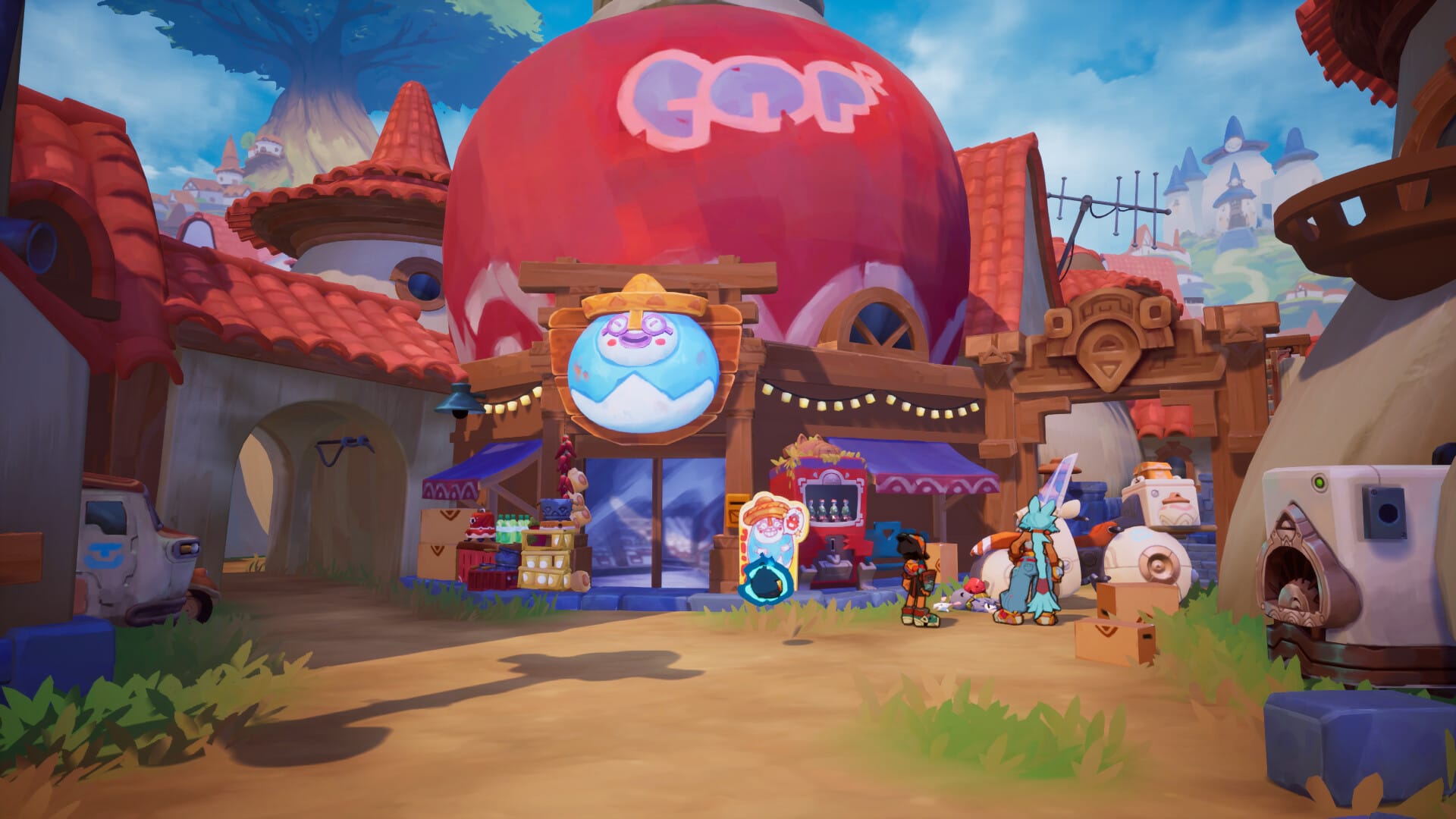
Town of Zoz reminds me a lot of the PS1 era of Harvest Moon, but spliced with the edgy visual style of something like Shaman King, filled with a lot of harsh lines and strong colors. This is, ostensibly, a farming RPG where you take control of a boy named Ito, who reluctantly returns to his family farm and restaurant after receiving a letter.
But Zoz has a bit of everything: dungeon exploration and action combat, companion characters, cooking and restaurant management, farming, and more. One of the more fascinating elements of the game is its focus on food as culture, letting you bond with residents by cooking them dishes, giving food prep a sort of communal feel.
And it's one of those games where everything feels good. Combat is quick and snappy, the farming and cooking are integrally tied to the worldbuilding but don't feel overly rote, and there's a nice balance of guided story versus free roaming.
The elements are all there, and if it can stick the landing, I feel like Town of Zoz might end up feeling extremely similar to another overlooked gem – Harvestella.

Around the Realm
Giovanni Colantonio talks about how Pokopia leans into Pokémon's environmentalism
 Giovanni Colantonio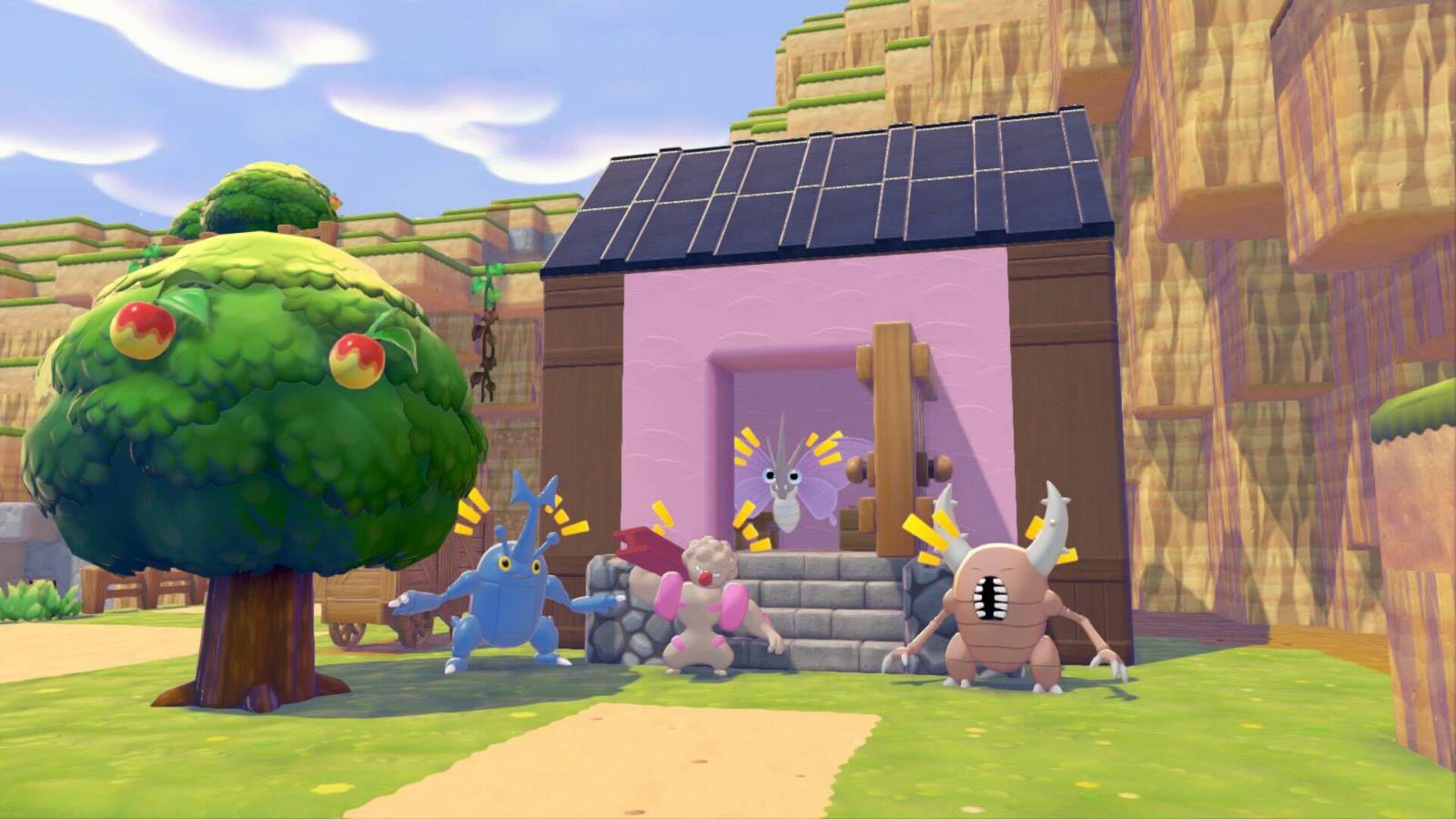
Amanda Tien digs deep into the feminist elements of Yakuza's cabaret club
 Amanda Tien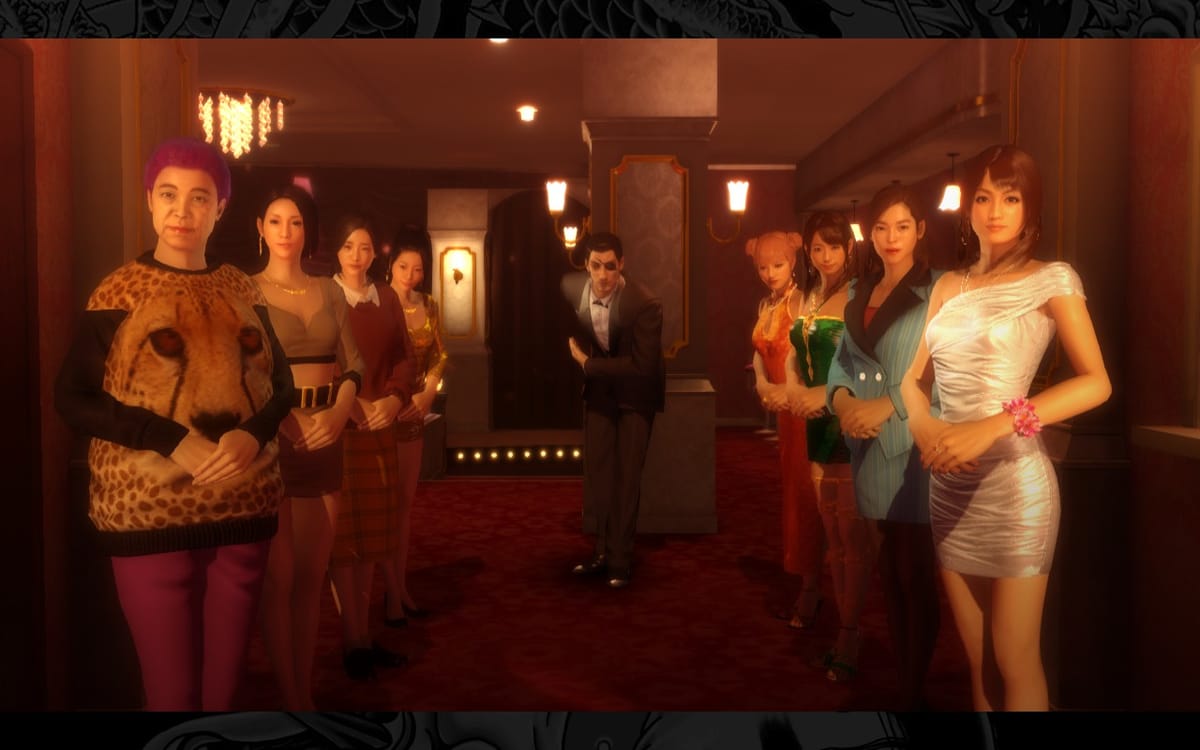
Alicia Haddick reflects on 30 years of Pokémon and what the series' growth means
 News
News
Adam W talks to creator Kasey Ozymy about Jimmy and the Pulsating Mass' development journey
 Adam W
Kimimi takes a retrospective look at Sword and Fairy 4
 View all posts by Kimimi
Samantha Trzinski relates Pokémon to Theseus' Paradox
 Samantha Trzinski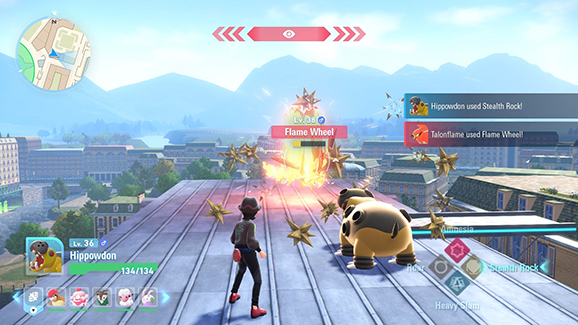
Dia Lacina wishes Camelot could get back to its RPG roots
 Dia Lacina