An Evening At the Inn - Issue # 5 - The "Soul" of Soulslikes
A hearty welcome back to the inn, travelers. This week, I'll be diving into what really makes a Soulslike a Soulslike and why I think the vast majority of the genre has only been interested in imitating, rather than truly embracing that.
Some very exciting news, if you haven't seen it already. I decided to launch a new section of An Evening at the Inn – The Notice Board. These are more blog-y pieces from me, a place for me to get thoughts out there that I might not be able to land somewhere else. While I'll typically still be talking about RPGs on The Notice Board, I might break from that occasionally to talk about big industry topics, games I've been playing, or subjects I think are important. It's not on any kind of schedule, but more of a tangential add-on to this newsletter, and still completely free.
You can read my first piece on Assassin's Creed Unity right now, and how, under different circumstances, Ubisoft's series might look very different.
 Hayes Madsen
Please consider supporting An Evening at the Inn and my work as a freelance journalist via Ko-Fi. Your support means I can keep doing all this. Comments, feedback, tips? Reach out to madsenhayes@gmail.com
From the Innkeeper
I Wish There Were More Games Like Hell Is Us
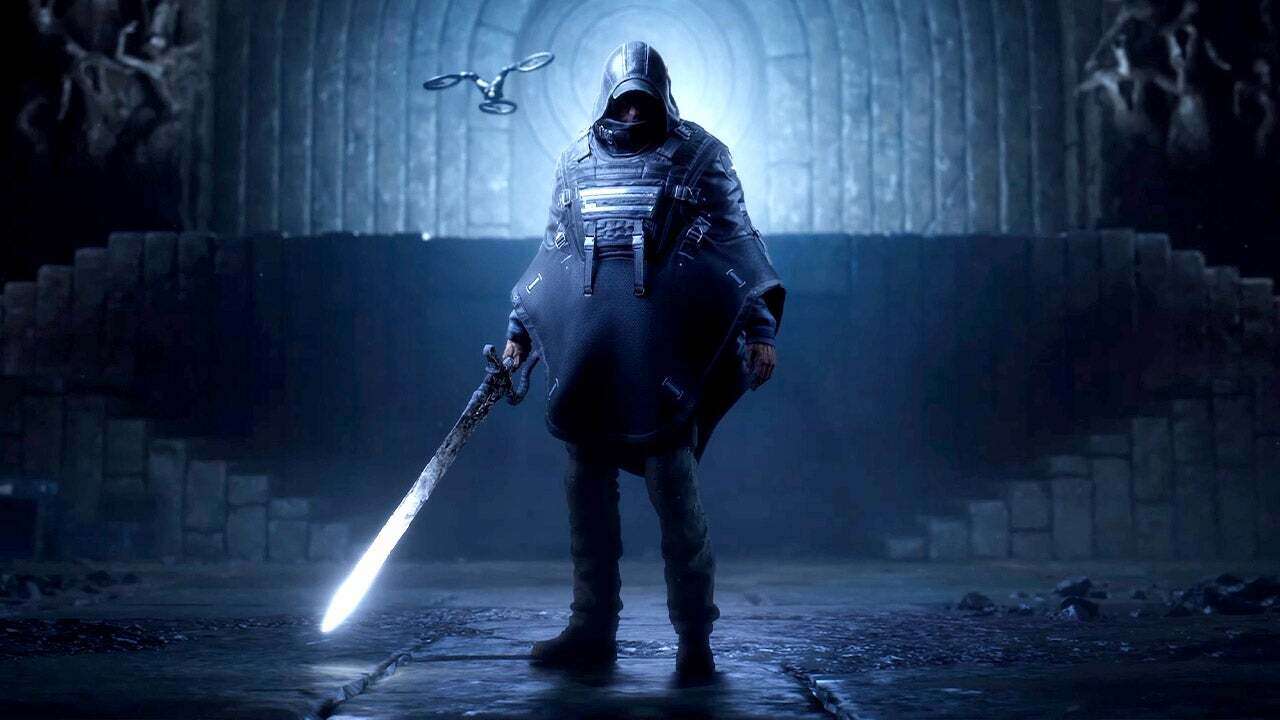
Soulslikes have a problem, and no, it's not that there are too many of them. The heart of the issue is that I find too few Soulslikes get what makes FromSoftware's games really work, the beating heart that ticks underneath all the dense mechanics.
I don't know if this is going to be a controversial thing to say, but it's not the gameplay style that makes a Soulslike what it is. I expect most people think Soulslikes have to have that methodical stamina-based combat, a resource you lose when you die, complex boss battles, and a high degree of difficulty. But I don't think that's what really makes a Soulslike. It's far more of a vibe, a feeling, world-building, and a storytelling style. Yes, you can carry over those gameplay elements, but the idea of a "Soulslikes" is much more of an aesthetic design choice.
That brings me to Hell Is Us, a game I desperately wish more people had been loud about when it released – because it's incredible. It's also one of two games (the other being Lies of P) that I feel really get what makes a Soulslike tick. I wish there were more games like it. If you've played Hell Is Us, you might think I mean games that don't have objective markers or even a map to reference; everything is exploration and context-based. And while I do dig all of that, I'm more referencing how Hell Is Us translates Soulslikes elements, while understanding how integral it is to put its own spin on them. (If you'd like to read my thoughts on Lies of P, head to the link below).

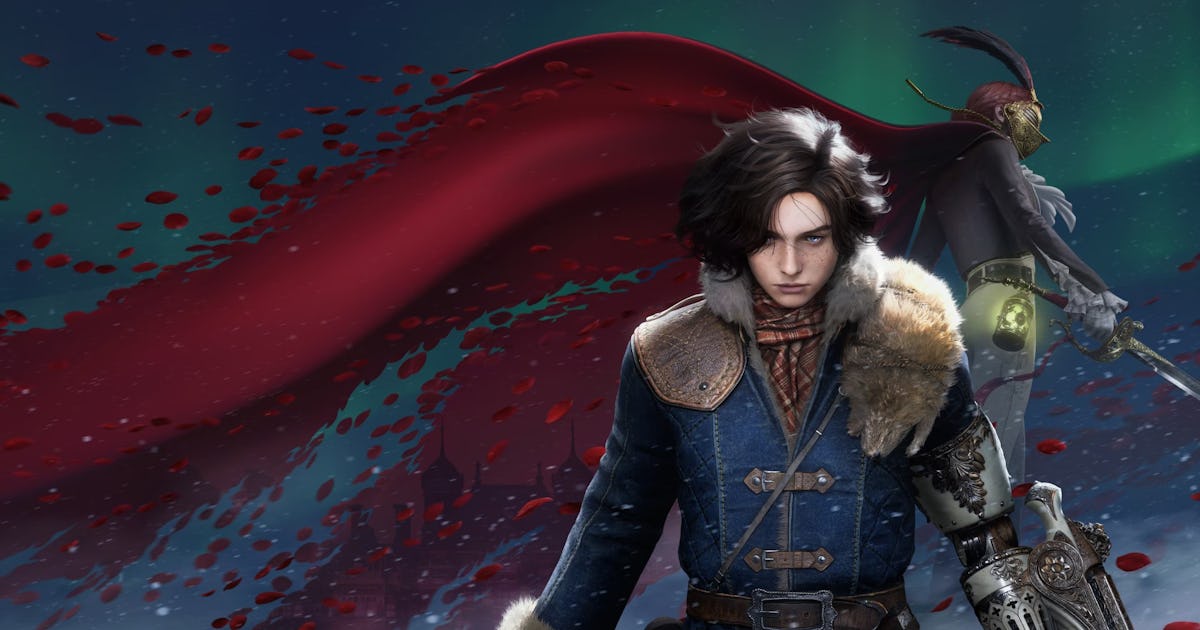
Hell Is Us takes place in a wartorn country called Hadea, already ripped apart by civil war before a mysterious event called the Calamity took place, and infested it with supernatural beings. It's a fascinating setup that instantly creates a kind of cryptic, esoteric world – clearly inspired by modern European conflicts like the wars in Bosnia, Kosovo, or Ukraine.
But it also creates the perfect palette for an NPC-driven narrative, the kind you find in FromSoftware's games. And Hell Is Us dives into that idea full force. Narrative bits are spread across the entire experience, with each NPC feeling like a realistic, living person – whose life has been destroyed by war. There's some astounding attention to detail here, both in how NPCs meaningfully flesh out your understanding of objectives and the world itself.
For example, the first NPC you meet in the game, Ernest Cadell, runs a milk farm, and talks about how all his sons have been shipped off to war. Later in the game, you'll run into a mother hiding from enemy soldiers in the sewers, worried because she's run out of milk for her baby. If you remember Ernest, you can go back and ask him for milk, which he's only too happy to give in the hopes that he might help another child live the life that was taken from his sons.
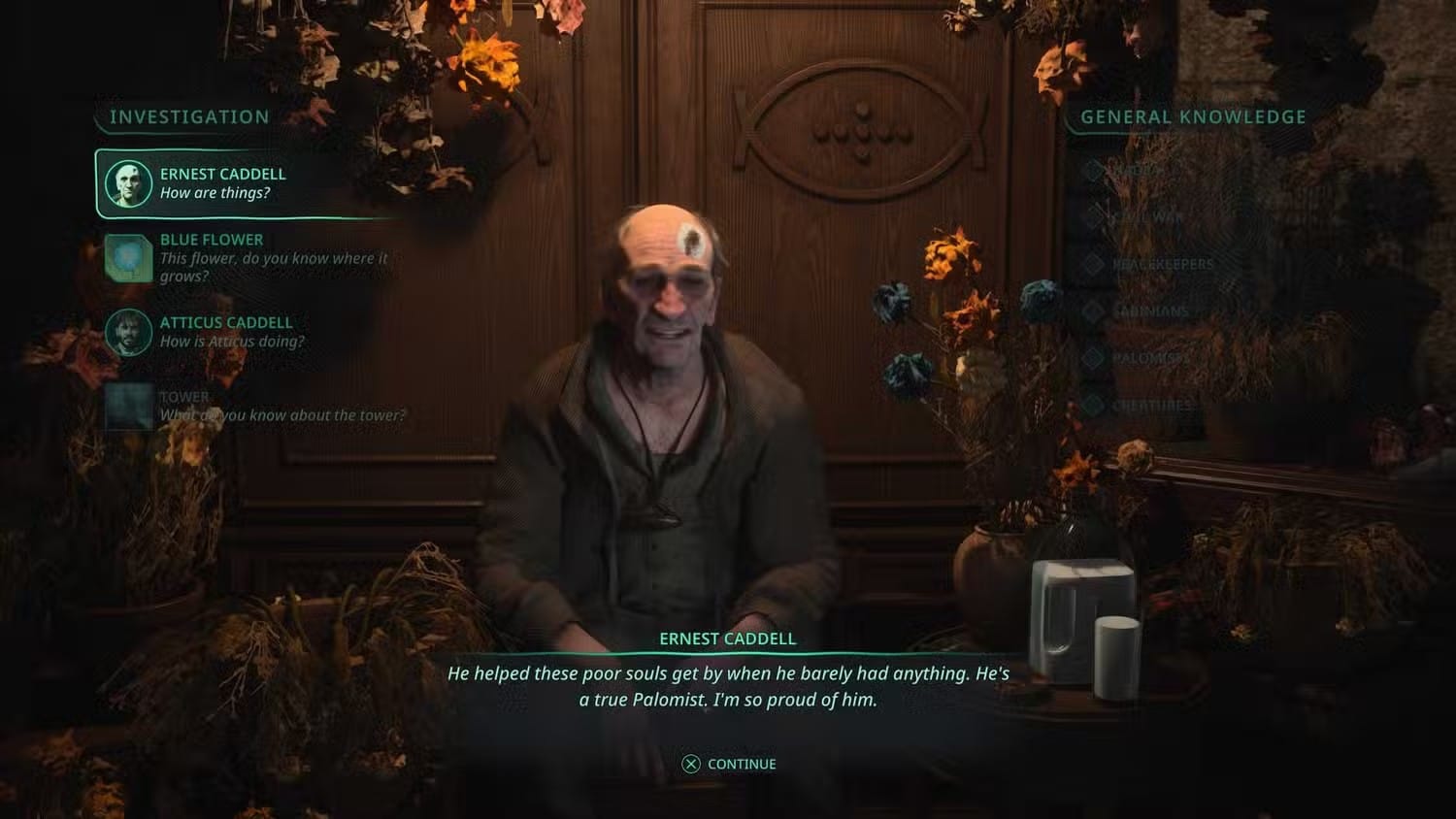
Hell Is Us is filled with these little moments; it's a world that's spinning and moving around you. Each NPC has their own history, often interweaving with each other. And this is something core to FromSoftware's Souls games – dynamic little stories that weave in and out of each other, enhance the history of the areas you explore, and more.
But apart from those elements, Hell Is Us also puts a particular emphasis on environmental storytelling and larger thematic elements. Esoteric ruins paint a picture of a larger scheme happening outside of the war, different factions of humans have internal politics that you can really dive deep into, and yes, item descriptions and notes play a big role in the storytelling. In place of a proper quest log, the game also has a feature I really love for tracking your objectives.
It's a sort of narrative web that starts with a single node, finding your parents. As you tease out information from NPCs or make discoveries, nodes are added onto this central one, sometimes relating to that overall objective, sometimes separate. As you progress, of course, this web becomes more and more complex, giving you a fantastic visualizer for how everything connects, but with just enough mystery to make you still piece everything together yourself.
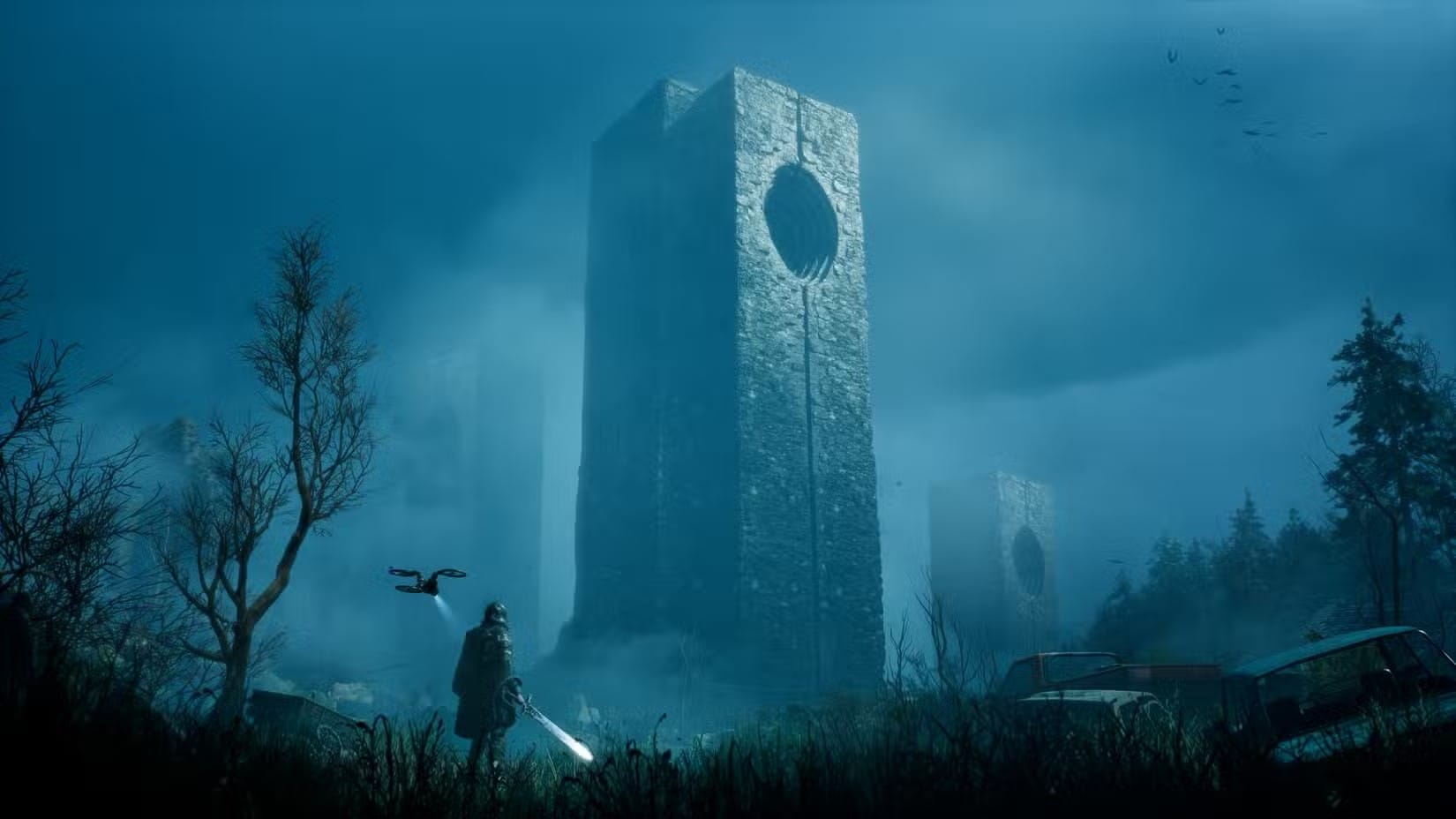
That's where Hell Is Us really succeeds. It's a game that understands that Soulslikes are experiential, about crafting a feeling more than the minutiae of combat and mechanics. But interestingly, Hell Is Us does adapt certain gameplay mechanics of Soulslikes, but isn't obsessed with meeting a checklist of features. Yes, it has somewhat methodical combat, but it meshes that with combo-based action. It's not punishing in the traditional sense; you don't lose resources when you die, but more about learning what enemies you can take down with your current kit, and how to get around them if you need to investigate something.
And yes, Hell Is Us does have its share of issues. The esoteric approach will undoubtedly be frustrating for some, and there's an obvious layer of "Eurojank" that's undeniable. But it's wholly, uniquely its own thing.
All those Souls elements are there, but they're twisted around in interesting ways to fit the game's vision – an unrelenting vision that's ultimately quite demanding of the player. But I have a deep appreciation for how Rogue Factor really understood those crucial elements of a Soulslike, and how it's okay to change them to fit your needs.
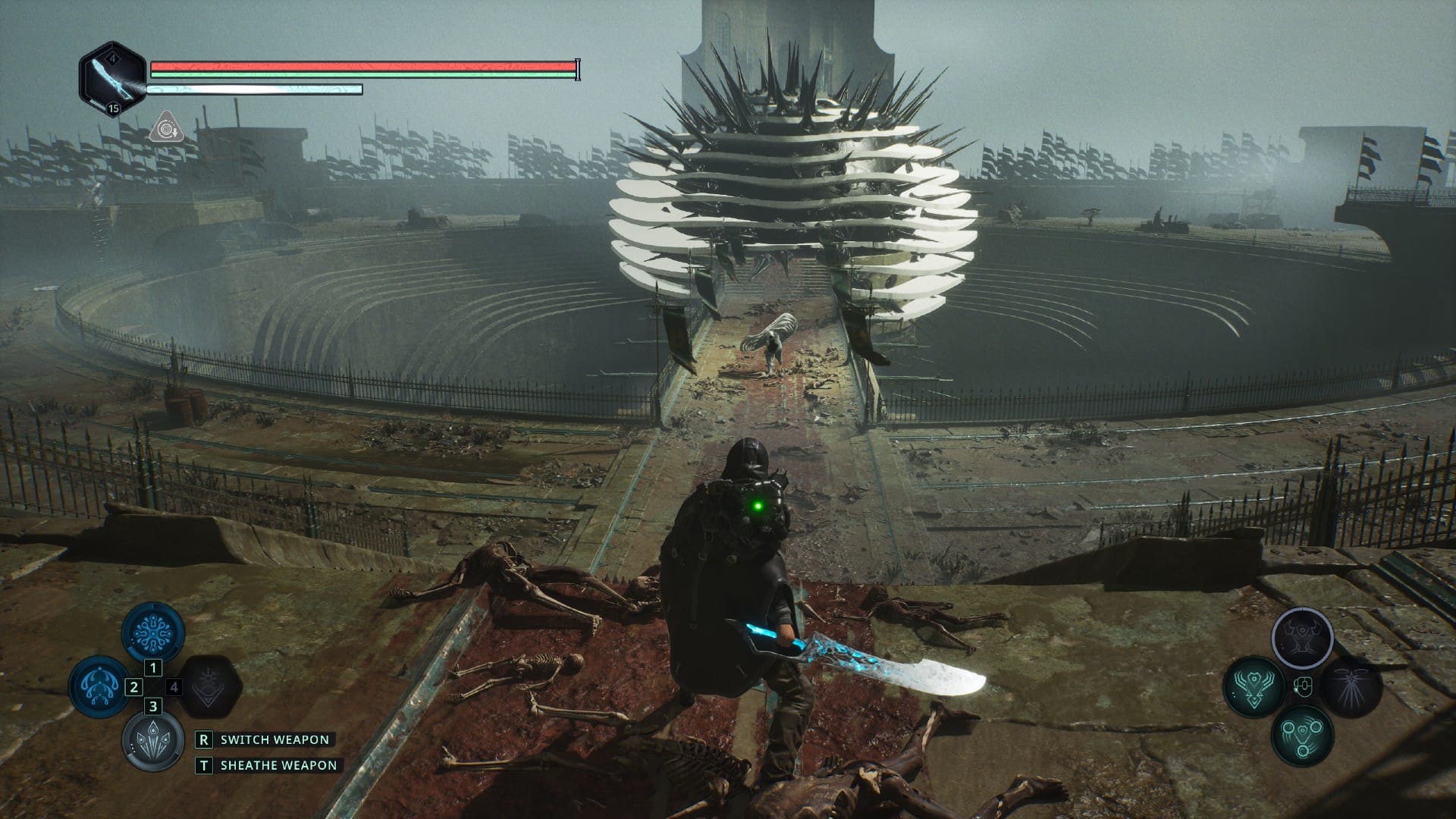
And I think, ultimately, that's the problem I have with the state of the genre. Too often, those who want to follow in the footsteps of FromSoftware have too rigid an idea of what a Soulslike needs to be. The challenge isn't there just for the sake of it, but to reinforce the oppressiveness of the world and the journey the player goes on. The same can be said for story and narrative; you need to understand why a Soulslike tells its story the way it does, in cryptic pieces, and what that means for your own story.
The reason we're feeling "Soulslike fatigue" is that the genre, largely, has failed to grow outside of that core inspiration. It's only through games like Hell Is Us, or Lies of P, that the genre is going to find a future.
Around the Realm
Rhiannon Bevan interviews David Gaider on Dragon Age 2, from the game's rushed development to its indelible legacy
 Rhiannon Bevan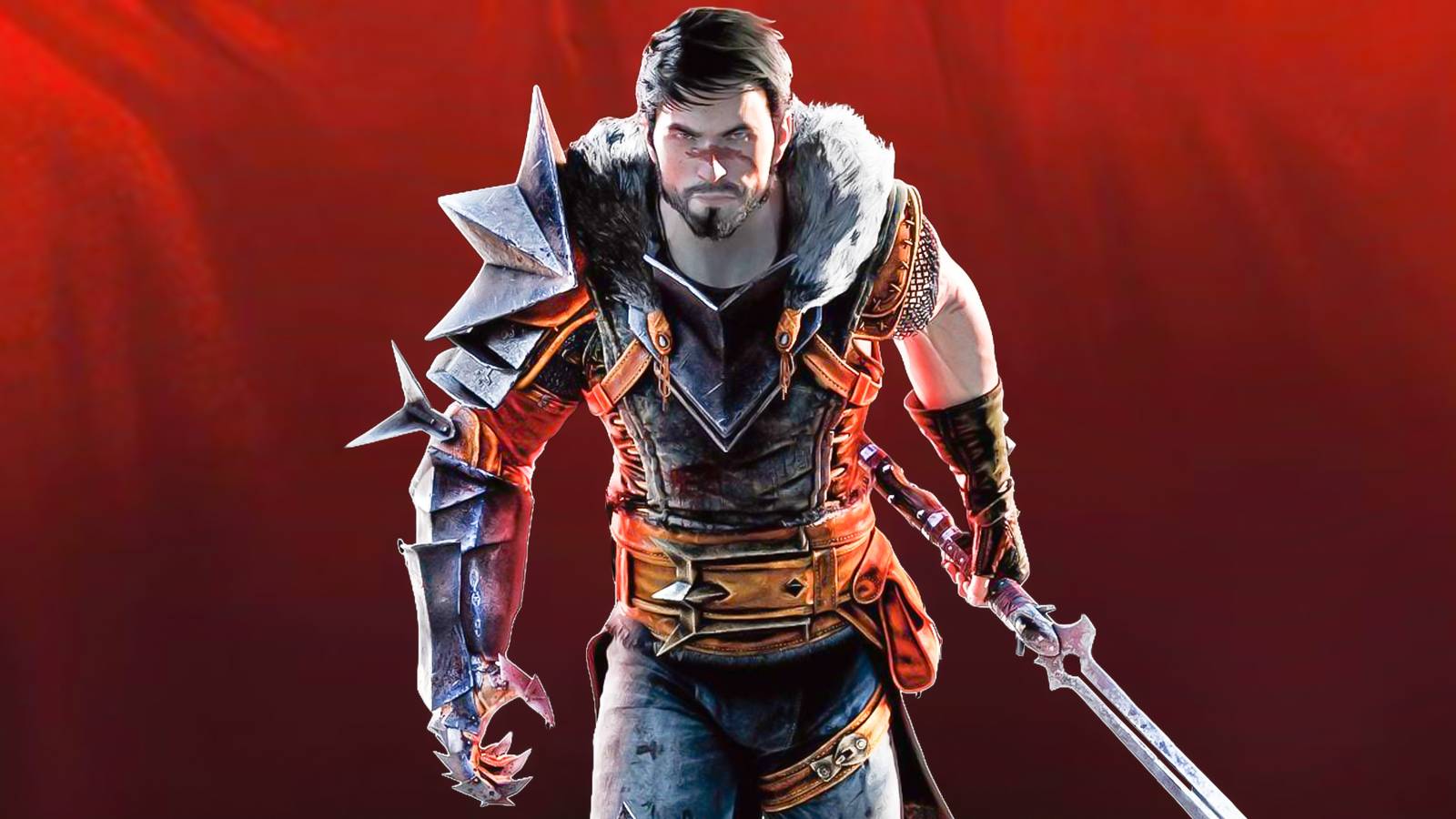
Jason Schreier has a lengthy interview with Final Fantasy 7 Remake trilogy director Naoki Hamaguchi, with a few teases of what's to come
 Jason Schreier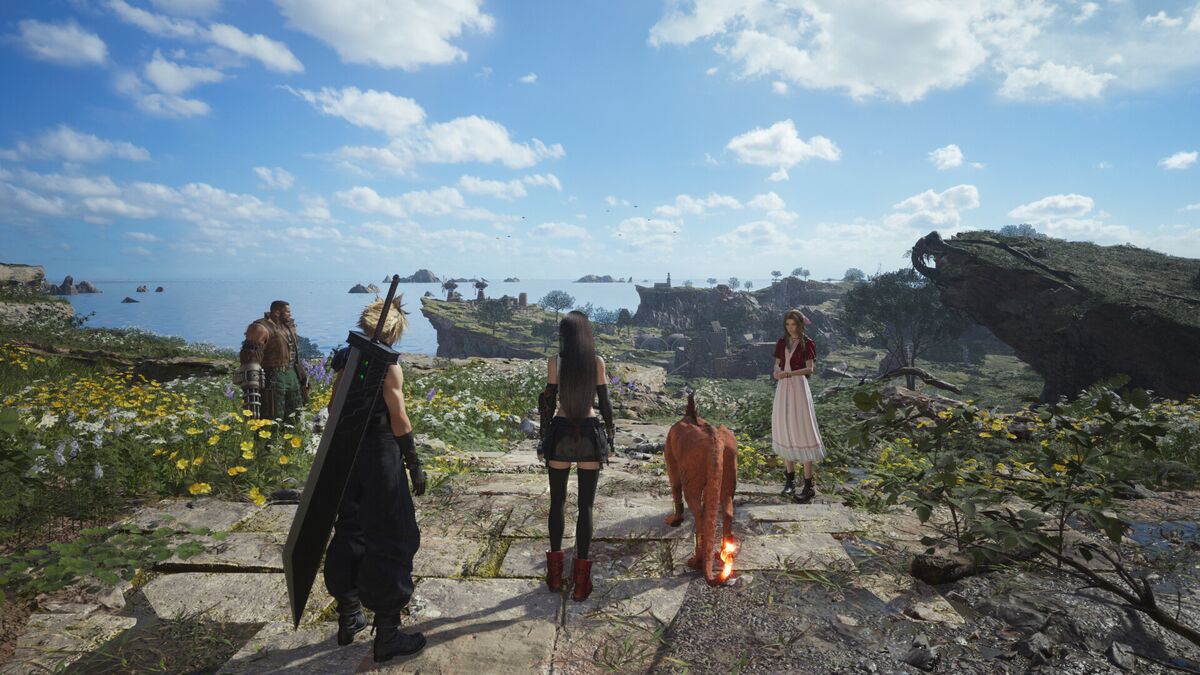
Luis Aguasvivas reflects on Dragon Quest VII Reimagined and the role of the video game critic
 Luis Aguasvivas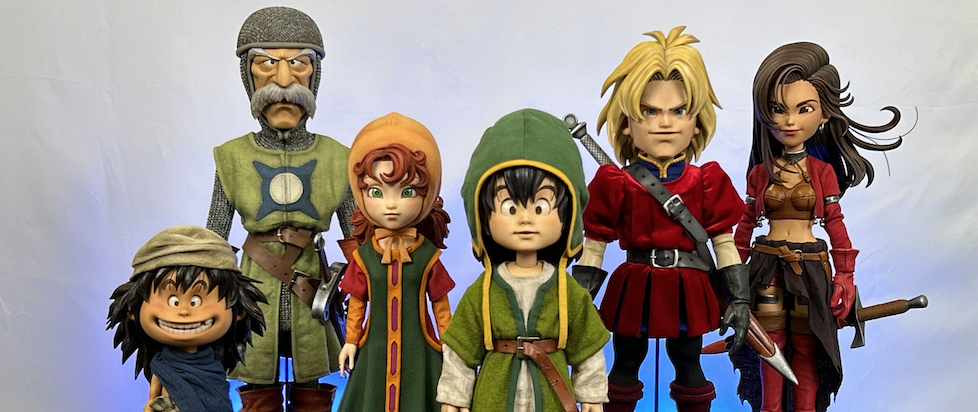
Ben Sledge talks about the second rise of isometric RPGs.
 Ben Sledge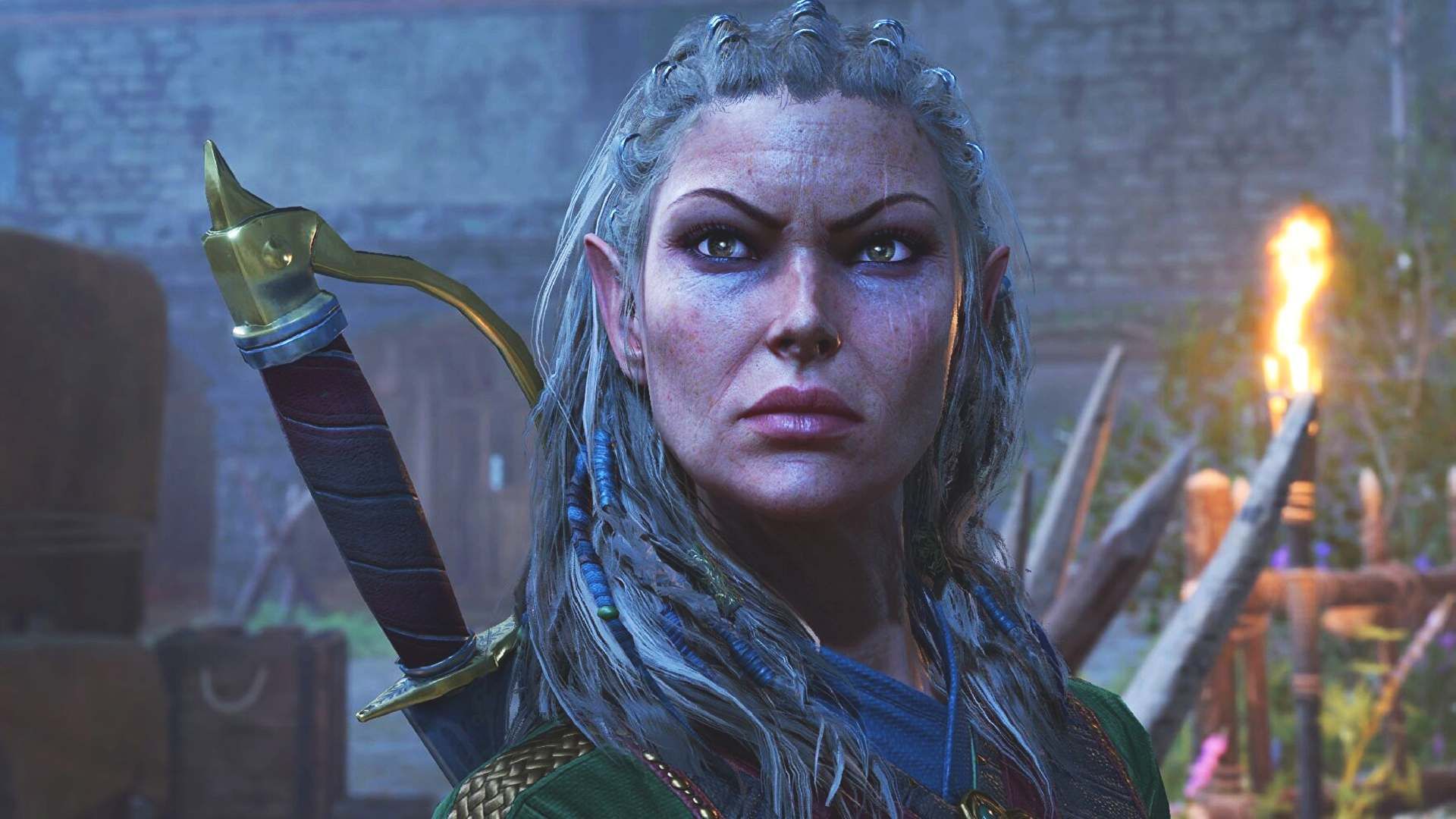
Kyle Orland has some original reporting on many developers' plans to skip GDC (Game Developers' Conference) this year
 Kyle Orland
Josh Rosenburg talks about how Pokopia hits the right notes for nostalgia
 Josh Rosenberg
The Back Page
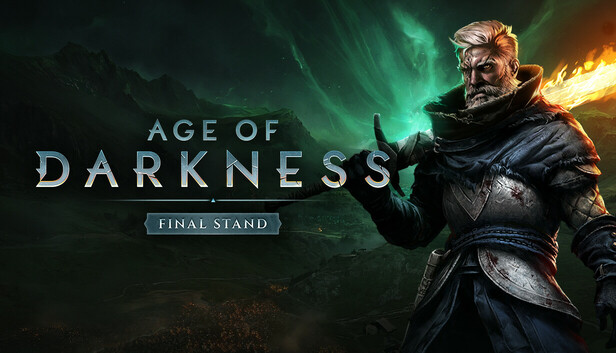
Outside of, obviously, suggesting Hell Is Us – my other little recommendation for this week is going to dip into strategy games. I've been back on one of my RTS binges, catching up on games that I bought on Steam sales and then sadly completely ignored. With that, I've been playing Age of Darkness: Final Stand, which started in Early Access. While it's certainly a bit janky and unit pathing can sometimes be frustrating, there's a survival mode here that's truly inspired. It's like an RTS horde mode, and I'm a sucker for defense-focused RTS games. I've honestly sunk a good 25 hours into it and had a blast. And the game is currently on sale until March 16.

Here are the major RPG releases for the rest of March
- March 12 - GreedFall 2: The Dying World (PS5, Xbox Series, PC)
- March 13 - Monster Hunter Stories 3: Twisted Reflection (PS5, Xbox Series, Switch 2, PC)
- March 19 - Crimson Desert (PS5, Xbox Series, PC)
- March 26 - Etrange Overlord (PS4, PS5, Switch PC)
- March 26 - Life Is Strange: Reunion (PS5, Xbox Series, PC)
- March 27 - Mega Man Star Force Legacy Collection (Again, everything)
- March 31 - Legacy of Kain: Ascendance (Everything)
And no major pet updates this week, but please enjoy a picture of Garrus playing with his favorite toy.