An Evening At the Inn Issue 10 - Toward the Dawn
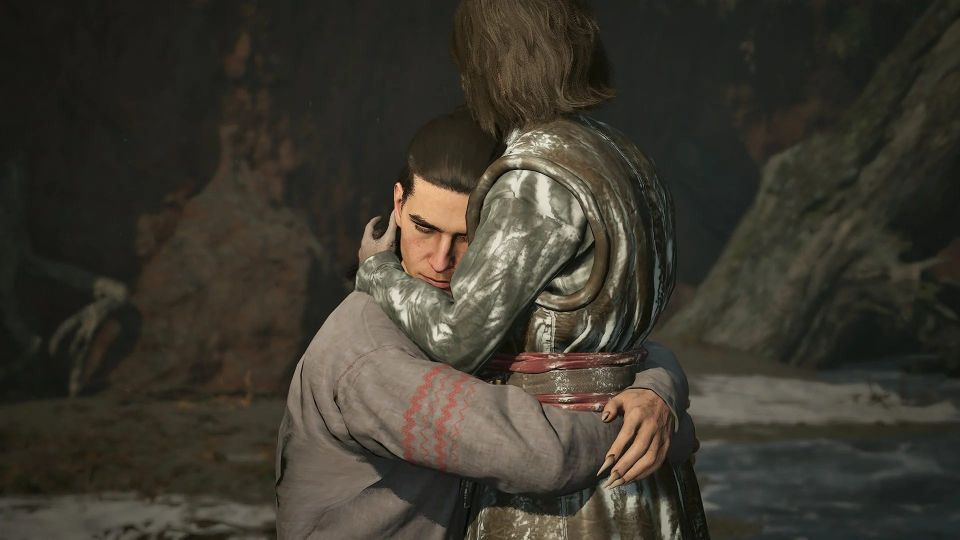
Hey there, it's been a while. Life, so often, never goes the way you want it to, and I would have preferred to be writing many more newsletters these last few months. But I'm back with something a little different, an extremely personal reflection on what's currently my favorite RPG of the year.
I've thought long and hard about how to write this piece for over a month, as well as where and when I wanted to do it. Ultimately, I landed on the idea that maybe this is better off raw and unfiltered, which is why it's here. This issue won't have any of the usual trappings I include, but next time we'll get back to all that.
Ten months into the year, not a single game has sat with me like The Blood of Dawnwalker. There's a lot I love about Dawnwalker: its fantastic time system that adds real stakes to storytelling, the evolving combat system that gets better deep into the game, and the delightfully pathetic protagonist Coen. But past all that, Dawnwalker sits with me so much because of the emotional nail that it drove into my soul. The harrowing way it forced me to confront the biggest tragedy of my life – the sudden death of my brother, my best friend.
Before I go on, please know I'm going to spoil major portions of Dawnwalker's story. I also want to give a brief trigger warning for drug use, death, and health anxiety. This was a rough piece to write, and I want to make sure I flag things that might be a problem for folks.
Please consider supporting An Evening at the Inn and my work as a freelance journalist via Ko-Fi. Your support means I can keep doing all this. Comments, feedback, tips? Reach out to madsenhayes@gmail.com
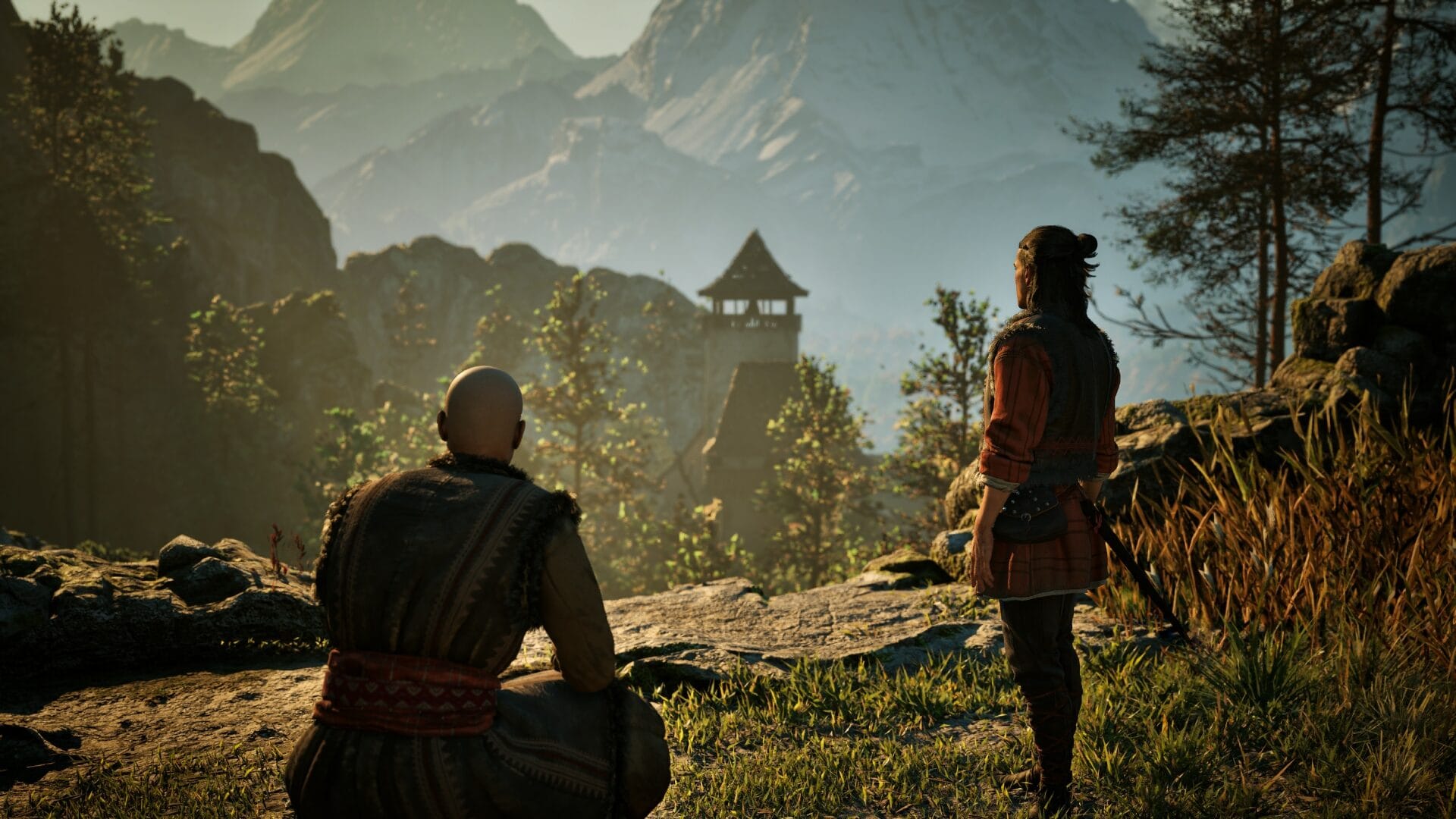
Near the Southern end of Dawnwalker's map lies an unassuming tower, where an astrologer named Aurelius is conducting heinous experiments. While threads of the main story will eventually lead you there, it's entirely possible to stumble upon it by accident and get sent careening into a quest that bludgeons you over the head. And this is perhaps the most revelatory quest in the game in terms of unpacking who Coen is as a person, why he acts the way he does, and the immense guilt that he's saddled with.
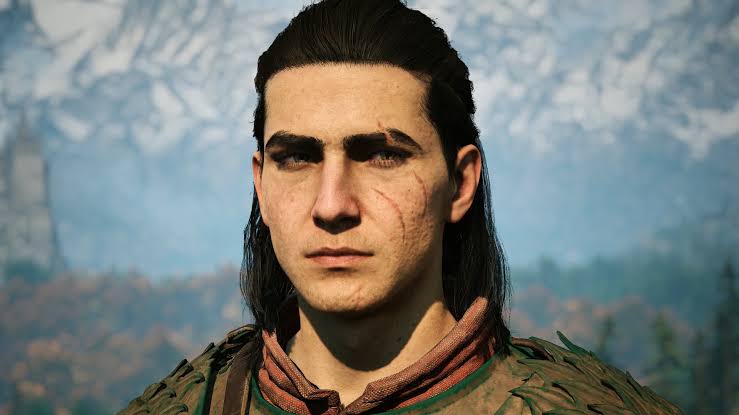
From the jump in Dawnwalker, we know Coen's defining trait is his dedication to family. Since his mother took ill, Coen has been the primary caretaker of the family, including raising his two young siblings. We also get hints that there was once another child, Alin, but it's entirely unclear what happened to him.
But at this unassuming tower, you get the "Home Sweet Home" quest, which is where everything is laid bare, and more pieces of the puzzle start to come together. In short, Alin drowned by falling into an icy river when he and Coen were children, and Coen has always seen his brother's death as his fault. For the rest of his life, he's lived saddled with that guilt, and the idea that it's his job to now take care of the rest of the family, and atone for his sin.
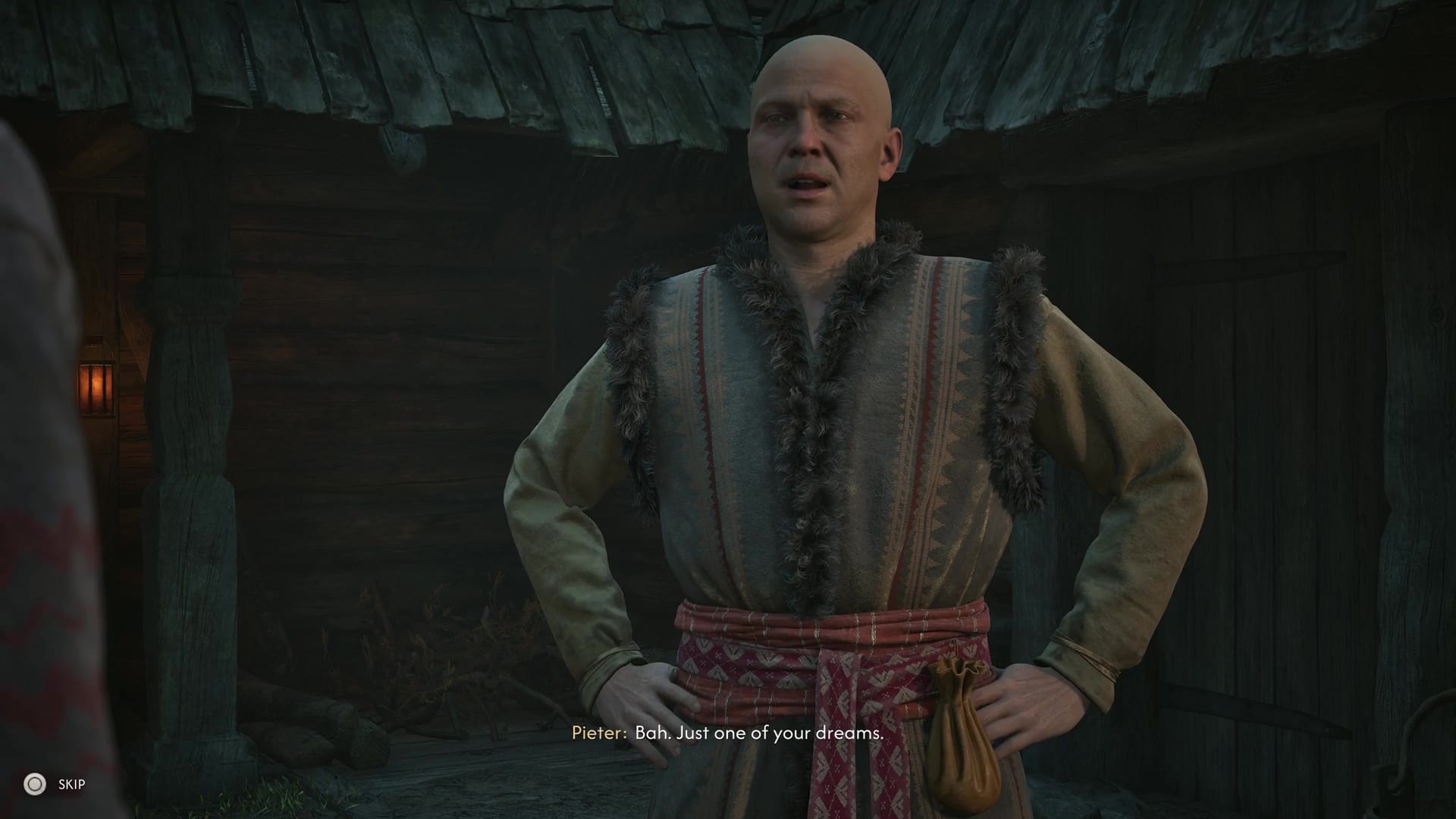
The quest itself is rather brilliant in how it unpacks these revelations and dives into Coen's psyche, but the part that hits home for me is how gracefully Dawnwalker tackles the unique grief of losing a sibling – to the point I'm convinced someone on the writing team has experienced that loss.
Death is a constant part of life. Everyone loses grandparents, parents, pets, friends. But a particularly horrific experience is losing a sibling, the kind of friend you can't make again. When someone's life is ripped away so early, and you now have to imagine growing old together.... It's a pain I wouldn't wish on my worst enemy.
Ten years ago, as of last week, I lost my older brother to a drug overdose. To be candid, he'd had a cocaine addiction that my mother and I had found out about and tried to help him through. He had gone to rehab, been to programs, and we thought he was slowly working his way up. But then our grandfather died, and his dog died. Although we'll never know exactly what happened, I think the grief was too much to bear one night, and he turned back to the addiction. It was all just too much.
Every day since then, I've asked myself what I could have done differently. If I'd spent more time with him, would things be different? If I'd called him more, would things be different? If I'd just taken one shift off work to check on him, would things be different? These questions will plague me for the rest of my life.
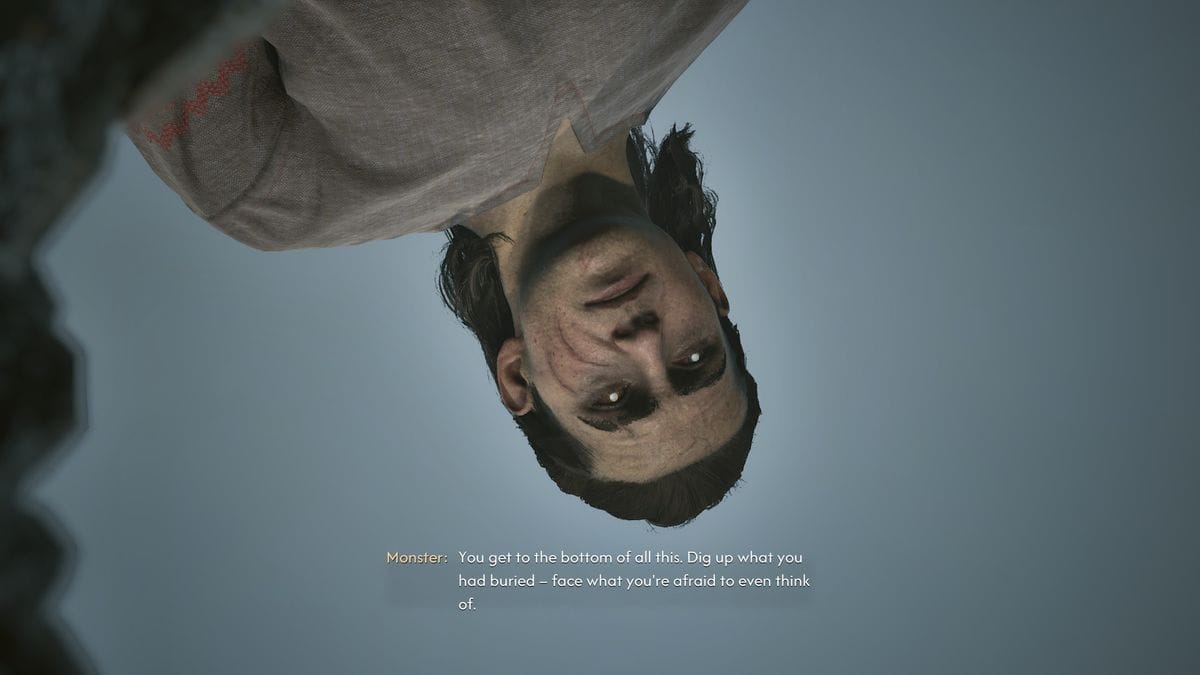
I'm no stranger to losing loved ones at this point, but my brother was special, the most important person in my life. He was my idol and my role model growing up. In the midst of a messy divorce between my parents, in many ways, he's even the one who raised me. He introduced me to video games, and Final Fantasy, and anime. So much of who I am and what I believe is, quite simply, because of him. And I never knew how much losing that person would shatter me.
That's something I see reflected directly in Dawnwalker's Coen, both within this specific quest and without. Experiencing the loss of a sibling is such a uniquely awful thing that, in some ways, changes the way your brain works. In Dawnwalker, you can constantly see how the guilt and shame of that event have molded Coen, how he has this internal need now to care for and "save" people. It's part of what's inspired this sort of nobleness in him, for lack of a better word.
And you often see Alin's presence in Coen's mind brought up randomly throughout the game. Sometimes innocuous dialogue during quests reminds Coen of Alin, and he'll wistfully tell a story about when they were children, or something his brother loved. And that's exactly how these things work. Sometimes when I'm getting gas I think back to how my brother taught me to shake the nozzle to get every drop you can. Or, watching fireworks, I'll remember the time we went to Disneyland when I was a kid, and he got so angry that we missed the fireworks show.
Dawnwalker does an incredible job of threading this needle for Coen, showing how Alin is constantly a part of his mind – even with his living family's immediate danger. Again, saving them from that danger is Coen's driving force.
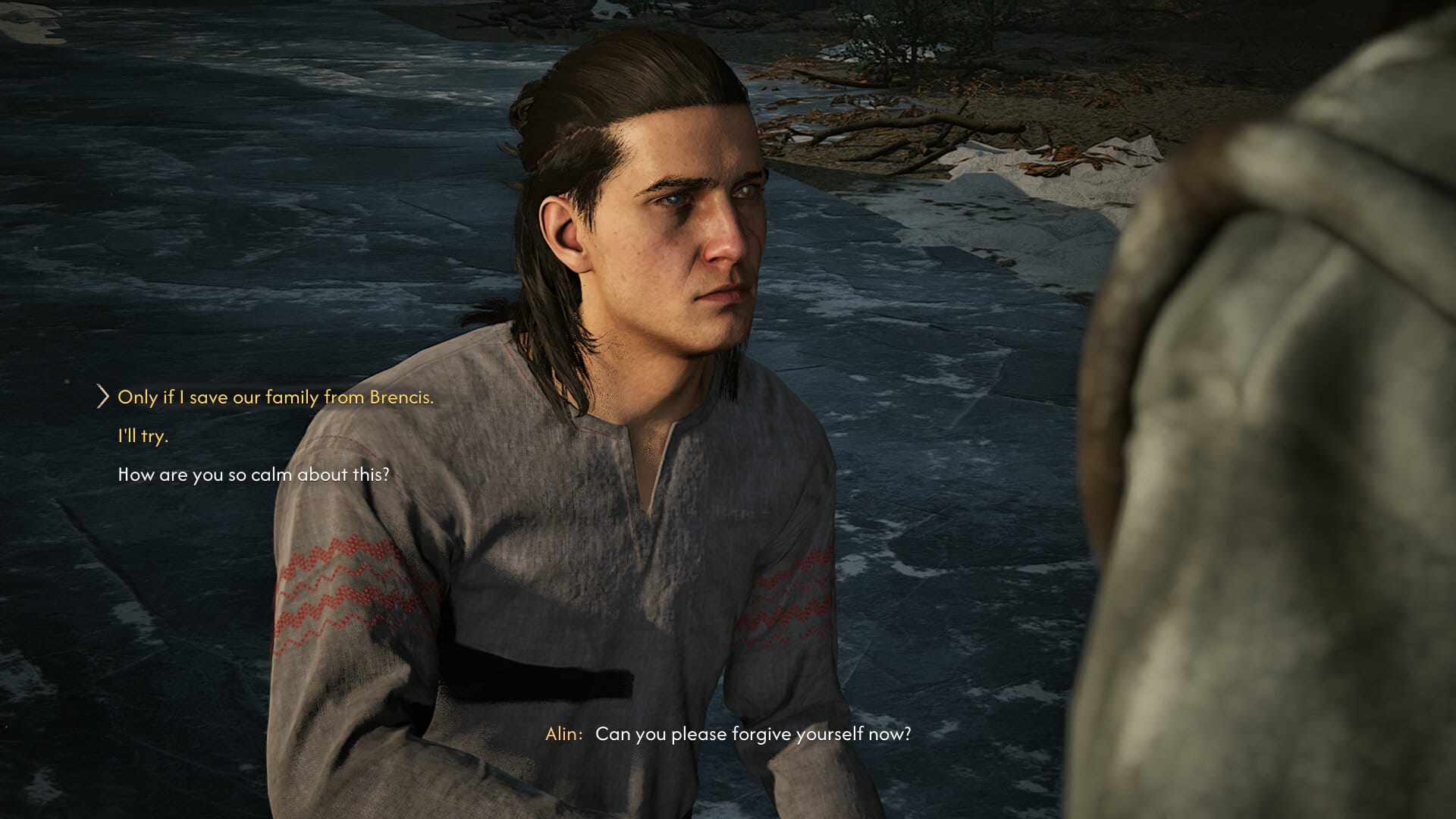
But the most chilling part of all this comes during Home Sweet Home, when Coen has to go in circles through the quest, while the rest of his family is befuddled when he brings up Alin – not remembering the brother at all. It's almost eerie how much this matches multiple dreams I've had over the years, where no one in my family remembers my brother but me. How can everyone just move on with their lives? The answer, of course, is that you have to, but I can't help worrying that I'll forget all about him too, one day. I already can't remember what day, or even month, he passed away.
In the immediate years after my brother's death, I developed an extreme case of health anxiety. I've always been a bit of a hypochondriac, but something had shifted in my mind. I started agonizing over every twitch or palpitation in my chest, every little thing that seemed to be going wrong. I landed in the hospital a half-dozen times across five months because I was convinced I was dying. With years of therapy and medication, I eventually came to realize this was a direct product of the shock of my brother's death – fearing that I'd go out the same way.
And a part of that was because I now felt like I had to live for him. I'd developed some kind of complex that I had to be successful and happy in life, because his life had been stripped away from him. And I agonized over any chance of that not happening.
There's, of course, nothing wrong with wanting to honor someone's memory and hold up what they believe in. But at a certain point, my wish to carry my brother's memory on had twisted into something hideous – a burning need to try and define what a "full life" looked like.
I see so much of myself in Dawnwalker's Coen; it's not even funny. After going in rings around a nightmare where his family dies again and again, Coen finally comes face-to-face with Alin. In this moment, through sparse bits of dialogue, the spirit of Alin tries to reconcile Coen's ongoing guilt, telling him, "It wasn't your fault. None of it."
Even one step further, when Coen says he can't forgive himself until he saves their family from Brencis, Alin says, "I hope you will. But whether you do or not speaks nothing of your worth." That single line sat with me for days, weeks.
For any problems Dawnwalker might have, it's my favorite game of the year because of how deeply human it feels on so many levels. Playing through Home Sweet Home, I could feel the soul behind the quest – I could practically see the trauma the person on the other side of the screen has been through. I've been there too. And when a game manages to transcend that line, it's something special. I even love how much of a "chore" Home Sweet Home is to play through, because it thematically ties into the grief. It's a stark change from a lot of the game, and a little repetitive, because it's a reflection of Coen's shattered, looping psyche.
I put off seeking proper therapy about my brother's death for years. As time went on and things faded, I thought I was starting to get to "being okay." Until I wasn't, but that's the crux of it all. You don't have to be okay.
The loss of my brother changed me inexplicably as a person. I know I won't ever be the same person again. But that's okay. You don't have to be the same person, and you don't have to be okay. You do have to forgive yourself, though. Forgive yourself for not doing more when you didn't know you needed to. Forgive yourself for not thinking of that lost loved one every day, and for trying to carry on with a fulfilling life.
As Alin teaches Coen, the best thing you can do to honor them is just to be.